
 (6).png) 5 hours ago
3
5 hours ago
3
ARTICLE AD BOX
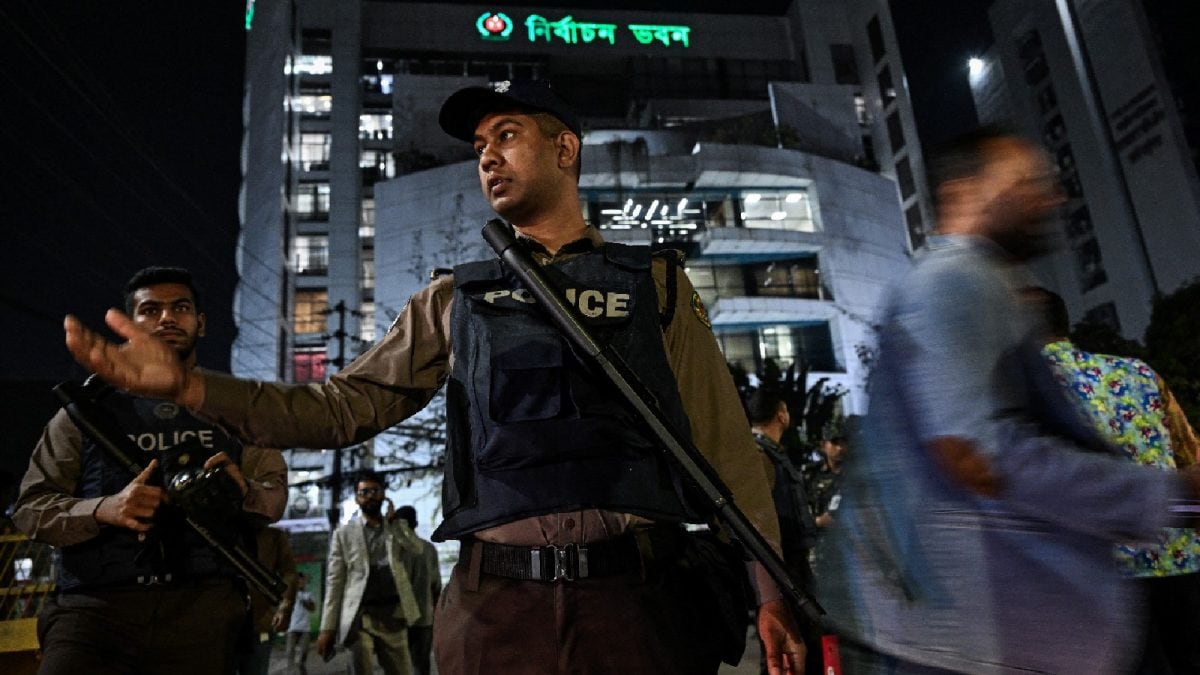
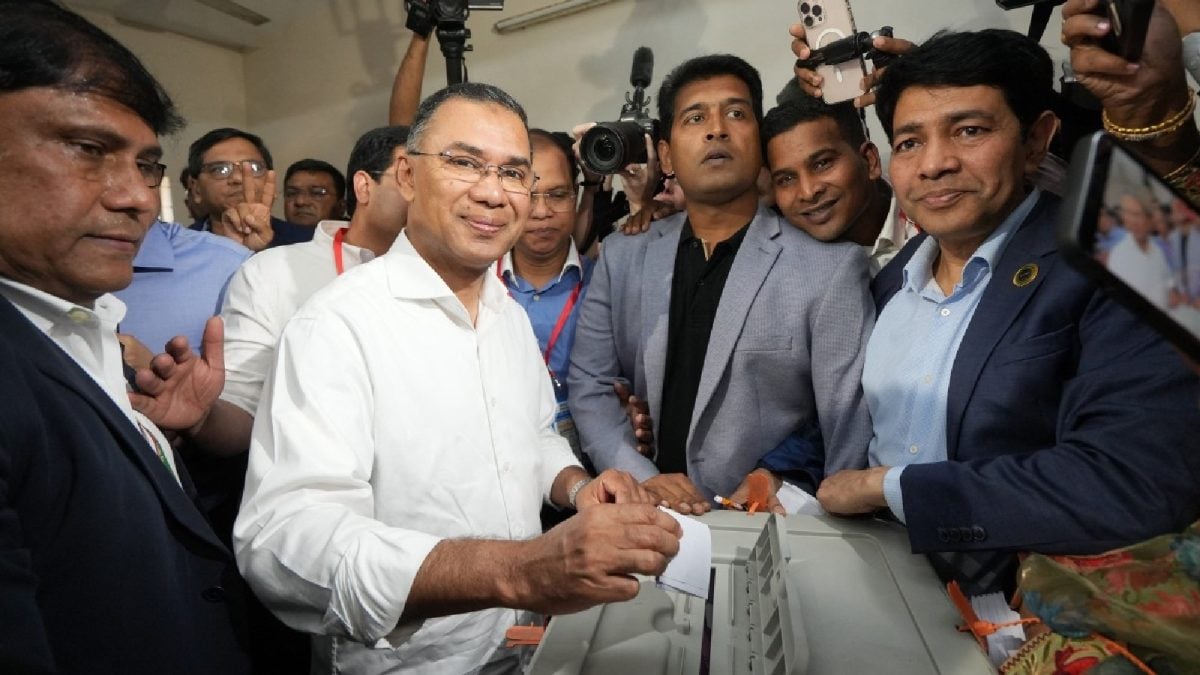
Bangladesh held its first election since the 2024 mass protests that ousted Sheikh Hasina’s government on Thursday. The voting was largely peaceful and widely seen as a crucial test of the country’s democracy after years of political unrest.
Jamaat-e-Islami chief Shafiqur Rahman said that he “will not do politics of opposition for the sake of it” as rival BNP looks set to cross the majority mark, Reuters reported.
"We will do positive politics," Shafiqur Rahman told reporters, as the rival Bangladesh Nationalist Party was leading in 131 seats, inching closer to the halfway mark of 151 in the legislature of 300 members, Reuters reported.
Who is Shafiqur Rahman?
Born in 1958 in the northeastern district of Moulvibazar, Rahman began his political life in a leftist student organisation before joining Islami Chhatra Shibir, Jamaat’s student wing.
He formally joined Jamaat in 1984 and unsuccessfully contested national elections in 1996, 2001 and 2018. He became the chief of the party in 2020.
Rahman has risen through the ranks of Jamaat-e-Islami over the years, holding positions such as Ameer of Sylhet city (1998–2007), central working committee member (from 1998), Assistant Secretary General (2010), Acting Secretary General, and Secretary General until 2019.
Under the previous Awami League government led by Sheikh Hasina, Jamaat faced severe restrictions, including arrests of its leaders, but the party has regained prominence following political changes in Bangladesh.
His wife, Amina Begum, served in parliament in 2018 and is also a doctor, like their two daughters and a son. Rahman is the founding chair of a family-owned hospital in the northeastern district of Sylhet, Reuters reported.
What was Rahman's stance on women's leadership?
The party’s stance on women and leadership remains controversial. In an interview with Al Jazeera, Rahman stated that a woman could not hold the party’s top position, citing biological and physical limitations.
“Allah has made everyone with a distinct nature. A man cannot bear a child or breastfeed. When a mother gives birth, how will she carry out these responsibilities? It is not possible,” he said, drawing criticism for Jamaat’s gender policies despite attempts to present a more inclusive image, according to an Al Jazeera report.
Rahman has faced controversy over his views on women, as Jamaat-e-Islami has not fielded a single female candidate.
He has suggested that women should work no more than five hours a day to focus on family responsibilities, and recently posted on social media that encouraging women to leave the home in the name of modernity was a “form of prostitution.” The post sparked protests at several universities, though Jamaat later claimed the account had been hacked, Reuters reported.
Rahman maintains that Jamaat is “moderate, we are flexible, we are reasonable.” He added, “But our principles are based on Islamic values, Quranic values. The Quran is not only for Muslims, it is for the whole creation.”
Many in Dhaka say they barely knew his full name during Hasina’s rule, a striking contrast to his main rival and BNP chief, Tarique Rahman, the son of former Prime Minister Khaleda Zia and former President Ziaur Rahman.
Bangladesh parliament
Bangladesh’s parliament (Jatiya Sangsad) has 350 seats, including 300 elected directly from single-member constituencies and 50 reserved for women. Members are chosen by plurality for a five-year term. Voting in one constituency was recently postponed after the death of a candidate.
This election comes after a turbulent period in Bangladesh, marked by mob violence, attacks on Hindu minorities and journalists, the rising influence of Islamist groups, and concerns about the weakening of the rule of law.
It could significantly impact the country’s domestic stability, which has been shaped since independence in 1971 by entrenched political parties, military coups, and allegations of vote rigging.
Young voters, many of whom were active in the 2024 uprising, are expected to play a key role, with some 5 million first-time voters eligible to participate.
(With inputs from agencies)






 English (US) ·