
 2 hours ago
5
2 hours ago
5
ARTICLE AD BOX
Last Updated:May 10, 2026, 15:03 IST
As a new Hantavirus cluster makes headlines in 2026, we look back at the most infamous cruise outbreaks that surprised the world


Before Hantavirus: The Dark History Of ‘Petri Dish’ Cruises That Shook The World
With a new Hantavirus cluster hitting the headlines in early May 2026, the cruise industry is back under the spotlight. For frequent travellers, this feels like a recurring bad dream. Long before the current scares or the 2020 lockdowns, cruise ships were already nicknamed “petri dishes" because of how easily a luxury holiday could turn into a local outbreak.
From the dreaded winter vomiting bug to the Diamond Princess disaster, history shows that once a virus gets on board, it rarely stays in its cabin.
Norovirus: The Classic Stomach Bug
For years, the word most linked to cruise ship illness has been Norovirus. This highly contagious stomach bug loves the shared dining rooms and high-touch areas found on a typical liner. While cruise outbreaks make up only a tiny part of global Norovirus cases, they are watched very closely by health officials.
Infact, most recently, a norovirus outbreak on the Caribbean Princess has left more than 100 passengers and crew members ill during a 13-night Southern Caribbean voyage, NBC News reported, citing the US Centers for Disease Control and Prevention (CDC).
In early 2020, just as COVID-19 was starting to emerge, the Caribbean Princess also saw over 400 passengers fall ill across two trips. It was a stark reminder that “old-school" bugs are still a massive threat to shipboard hygiene.
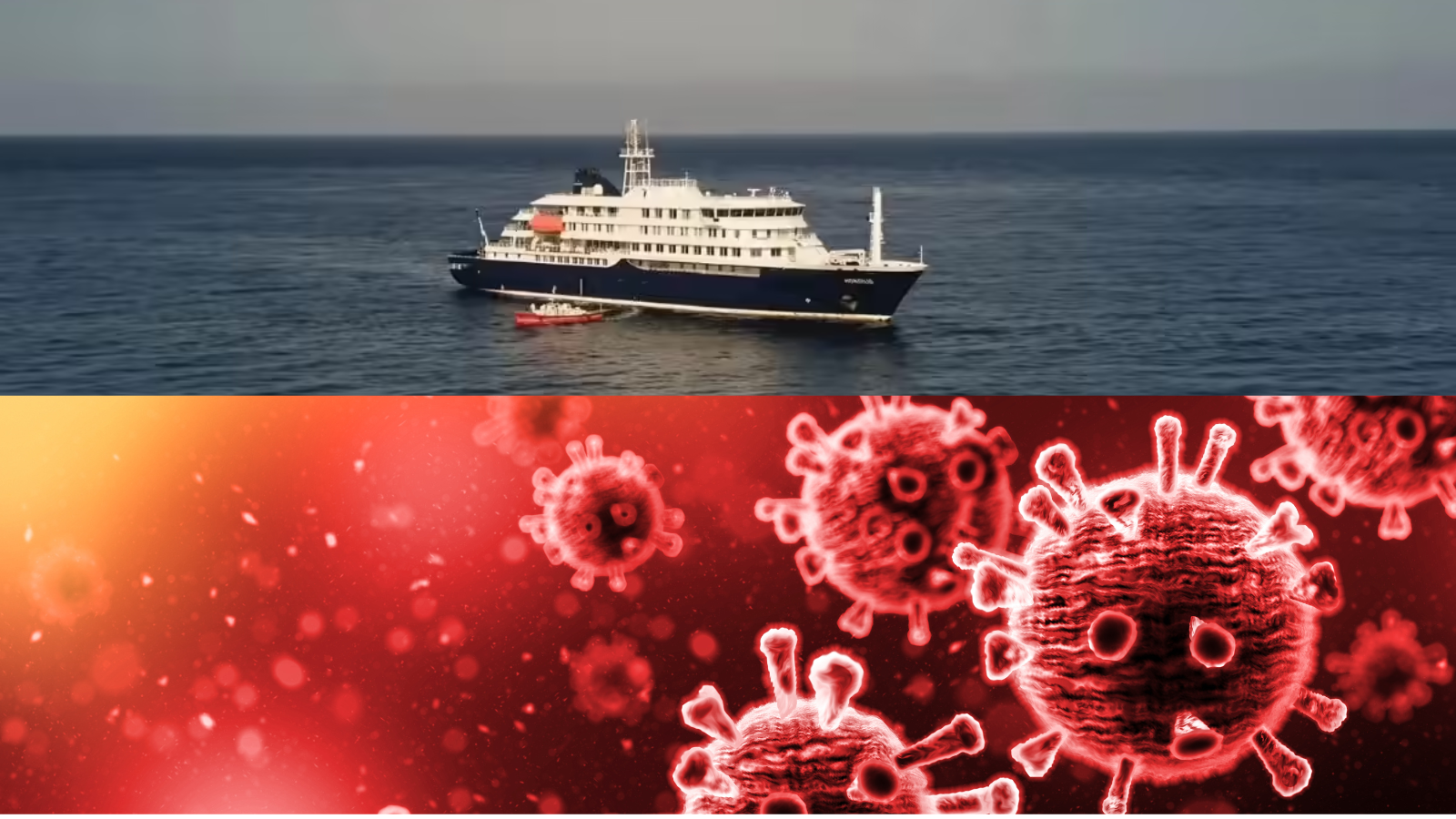
The Diamond Princess
In February 2020, the Diamond Princess became the face of the pandemic’s early chaos. When one passenger tested positive, the ship was quarantined off the coast of Yokohama, Japan.
The plan to keep everyone on board backfired. The virus spread through the air vents and corridors, eventually infecting 712 out of 3,711 people. With 14 deaths and a 20% infection rate, the ship showed the world exactly how fast a virus can take over an enclosed space.
The Ruby Princess and Nile River Disasters
While the Diamond Princess was a lesson in bad quarantine, the Ruby Princess in Australia was a lesson in bad timing. In March 2020, over 2,600 passengers were allowed to get off in Sydney before their test results were even in. Later on, the ship was linked to over 900 cases and 28 deaths, effectively spreading the virus right into the heart of the Australian community.
Even the calm waters of the Nile weren’t safe. A cluster of 45 cases was found on the MS River Anuket, proving that smaller river boats are just as risky as the giant ocean liners.
Analysis of past studies reveals 127 recorded norovirus outbreaks on cruise ships, largely driven by contaminated surfaces, food, and rapid person-to-person transmission.
This high contagion rate explains why vessels like Celebrity Mercury and Explorer of the Seas have become synonymous with outbreaks. These ships aren’t unique in their vulnerability; rather, they provide the perfect environment for viruses to thrive through close contact and shared amenities. High-traffic areas—particularly buffet-style dining where guests share utensils and touch the same surfaces—remain the primary risk zones for the swift spread of stomach bugs.
Handpicked stories, in your inbox
A newsletter with the best of our journalism
Disclaimer: Comments reflect users’ views, not News18’s. Please keep discussions respectful and constructive. Abusive, defamatory, or illegal comments will be removed. News18 may disable any comment at its discretion. By posting, you agree to our Terms of Use and Privacy Policy.





 English (US) ·