
 1 hour ago
3
1 hour ago
3
ARTICLE AD BOX
Last Updated:May 30, 2026, 18:15 IST
The blatant manipulation of the electoral landscape was starkly exposed in Hunza, Gilgit-Baltistan, where senior leaders of the PTI were arrested while actively campaigning


The engineering of the candidate list further illustrates how the military establishment has tilted the scales to favour pre-approved proxies over genuine electoral competition. File pic/Reuters
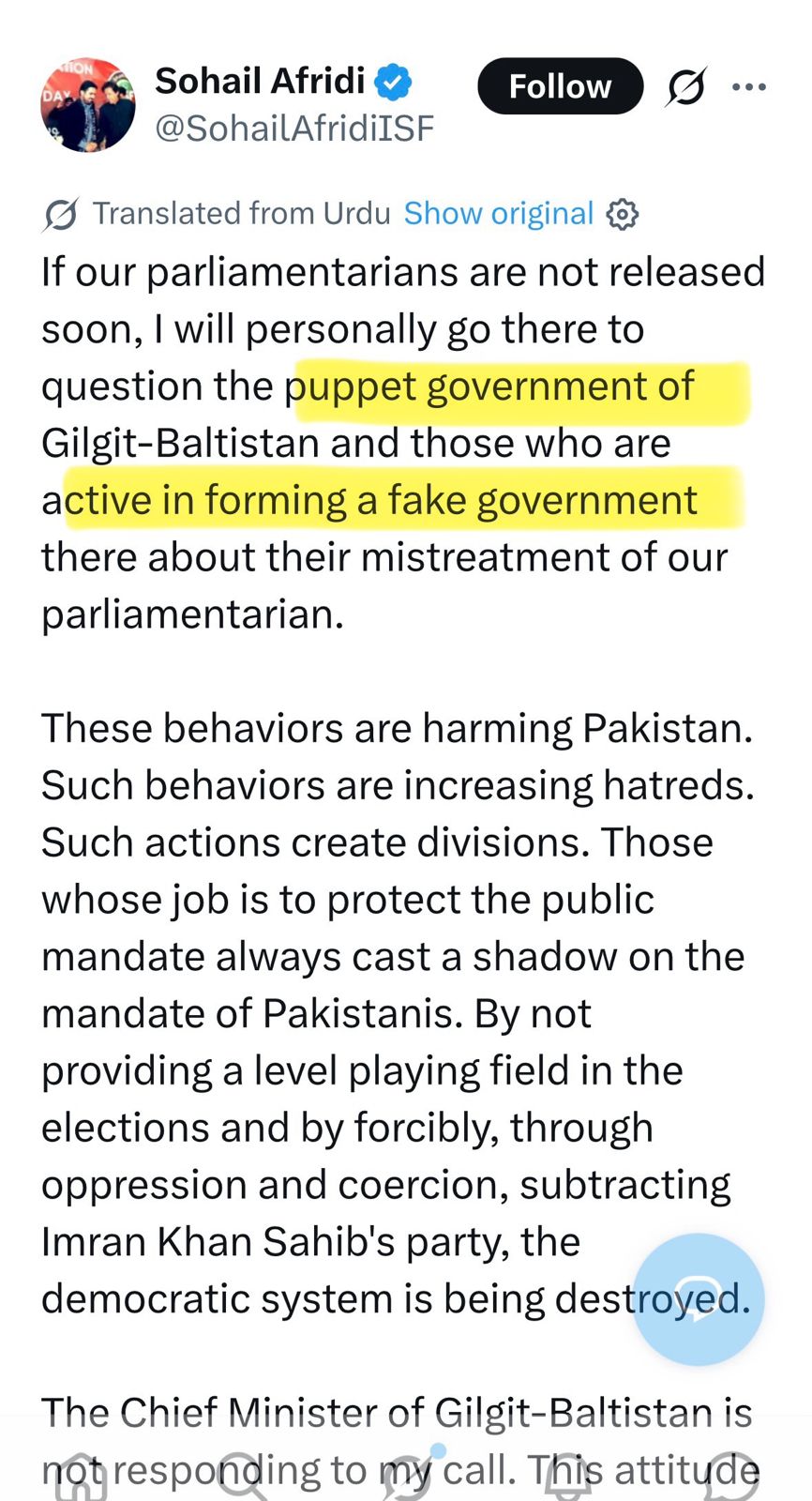
In a major political development that exposes the widening cracks in the upcoming legislative elections in Gilgit-Baltistan, the Pakistani military establishment under General Asim Munir has initiated a heavy-handed crackdown on mainstream opposition leaders while simultaneously mainstreaming proscribed extremist organisations. According to top Indian intelligence sources, this calculated strategy of controlled radicalisation is designed to manipulate the electoral outcomes scheduled for June 7.
While Islamabad has historically attempted to question the fair, transparent, and high-turnout democratic elections repeatedly conducted by India in Jammu and Kashmir, its own actions in Gilgit-Baltistan reveal a deeply entrenched colonial occupation mindset that relies heavily on arbitrary detentions, systemic suppression, and the engineering of political outcomes, sources say.
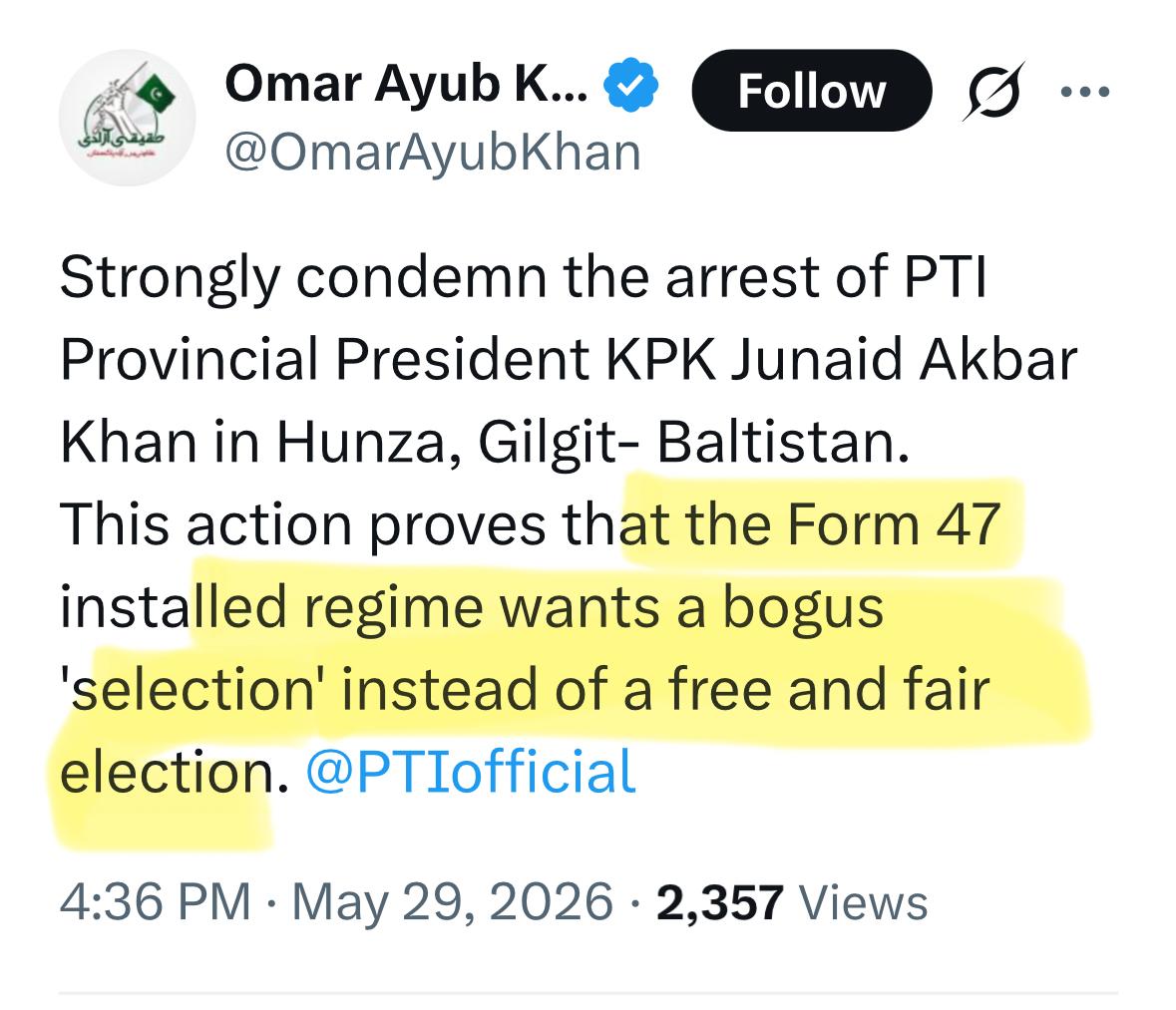
The blatant manipulation of the electoral landscape was starkly exposed in Hunza, Gilgit-Baltistan, where senior leaders of the Pakistan Tehreek-e-Insaf (PTI) were arrested by security forces while actively campaigning. Those detained included PTI’s Khyber-Pakhtunkhwa President Junaid Akbar Khan, alongside Members of the National Assembly (MNAs) Saleemur Rehman and Syed Mehboob Shah. The leaders were arbitrarily targeted and detained under the pretext of not possessing a No Objection Certificate (NOC) and were summarily ordered to leave the region. This selective targeting of mainstream opposition voices serves as a clear indication of the regime’s fear of genuine political competition and democratic activity within the occupied territory.
Mainstreaming Terror Proxies and Radical Outfits
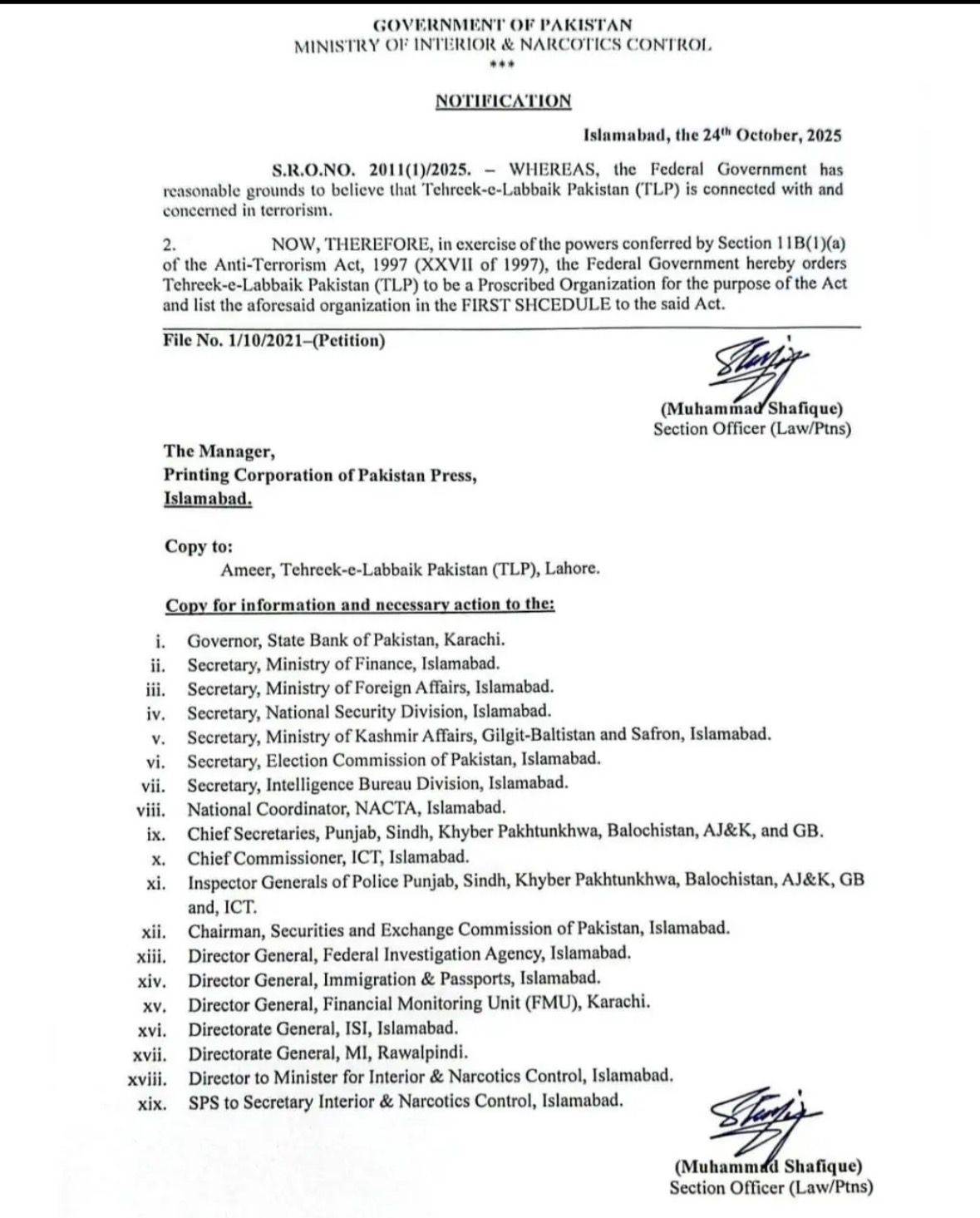
In sharp contrast to the aggressive suppression of mainstream secular politicians, the Pakistani military junta has facilitated the open participation of radical, banned outfits in the democratic process. The Tehreek-e-Labbaik Pakistan (TLP)—an organisation officially proscribed under Pakistan’s own Anti-Terrorism Act of 1997—is openly contesting the June 7 polls. Security analysts note that this follows a well-documented institutional pattern of rebranding terror proxies into mainstream political entities, mirroring the previous state-sponsored transformation of the lethal Lashkar-e-Taiba (LeT) into the Milli Muslim League (MML). By exporting radicalisation through the TLP, the establishment aims to forcefully silence indigenous local voices and alternative political narratives in the strategic border region.
The engineering of the candidate list further illustrates how the military establishment has tilted the scales to favour pre-approved proxies over genuine electoral competition. Out of the 403 candidates cleared to contest the Gilgit-Baltistan elections, an overwhelming 272 are listed as independents, many of whom are heavily backed by the state apparatus. The remaining political party tickets have been systematically distributed among groups perceived as fiercely loyal to the military elite, including 22 candidates from the Pakistan Muslim League-Nawaz (PML-N) and 23 from the Pakistan Peoples Party (PPP).
Intelligence Assessment on Failed Governance
Top intelligence officials tracking the region emphasise that Islamabad’s heavy reliance on radical proxies and administrative high-handedness stems from a structural failure to deliver basic economic growth, civil liberties, or meaningful infrastructure development to the people of Gilgit-Baltistan. Rather than addressing the long-standing socio-economic grievances of the local population, the current regime has defaulted to sophisticated electoral engineering.
The officials said that this extensive suppression stands in stark opposition to the inclusive, peaceful, and highly participative democratic benchmarks consistently demonstrated across the border in India’s union territory of Jammu and Kashmir, highlighting the severe duplicity of Pakistan’s regional policy.
Handpicked stories, in your inbox
A newsletter with the best of our journalism
News world Electoral Engineering: How Pakistan's Military Setup Is Tilting The Scales In Gilgit-Baltistan | Exclusive
Disclaimer: Comments reflect users’ views, not News18’s. Please keep discussions respectful and constructive. Abusive, defamatory, or illegal comments will be removed. News18 may disable any comment at its discretion. By posting, you agree to our Terms of Use and Privacy Policy.
Read More




 English (US) ·