
 1 week ago
2
1 week ago
2
ARTICLE AD BOX
Last Updated:January 07, 2026, 14:30 IST
Lt Gen Ahmed Sharif Chaudhry has been Pakistan’s DG ISPR since December 2022.
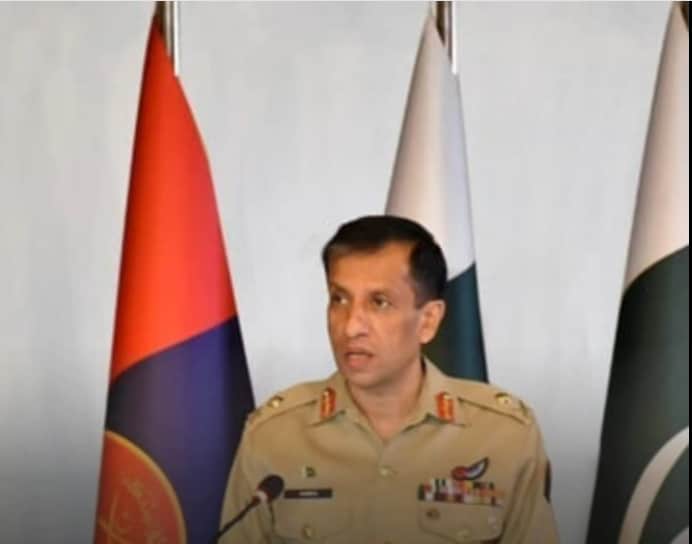
Pakistan’s DG Inter-Services Public Relations (ISPR), Lt Gen Ahmed Sharif Chaudhry, stirred controversy on Tuesday by publicly naming several Indian social media handles and TV clips and claimed they were operated by “RAW agents.” (Photo: FB/The CSR Journal)
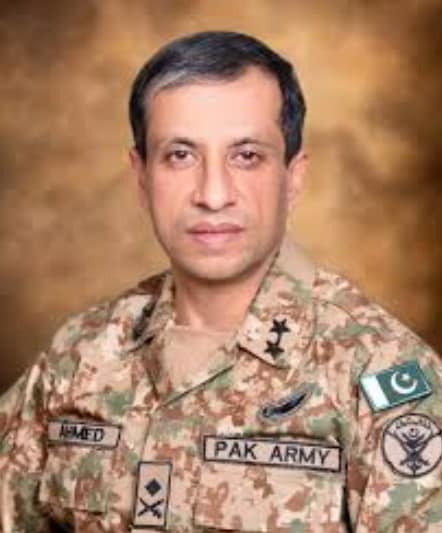
During a media briefing, he displayed screenshots of posts and television excerpts and alleged a coordinated propaganda campaign against Pakistan and its military. The accounts he cited included Network18 News Editor Shubhangi Sharma (@ItsShubhangi), Baba Banaras (@RealBababanaras) and journalist Sidhant Sibal (@sidhant). (Photo: Wikimedia Commons)

“Ye saare RAW ke account hai (They are all RAW agents),” he said during the briefing. He added, “This shows the nexus, this shows the mentality because they’re talking this taki eski hawa banai jaye.” (Photo: Pexels)
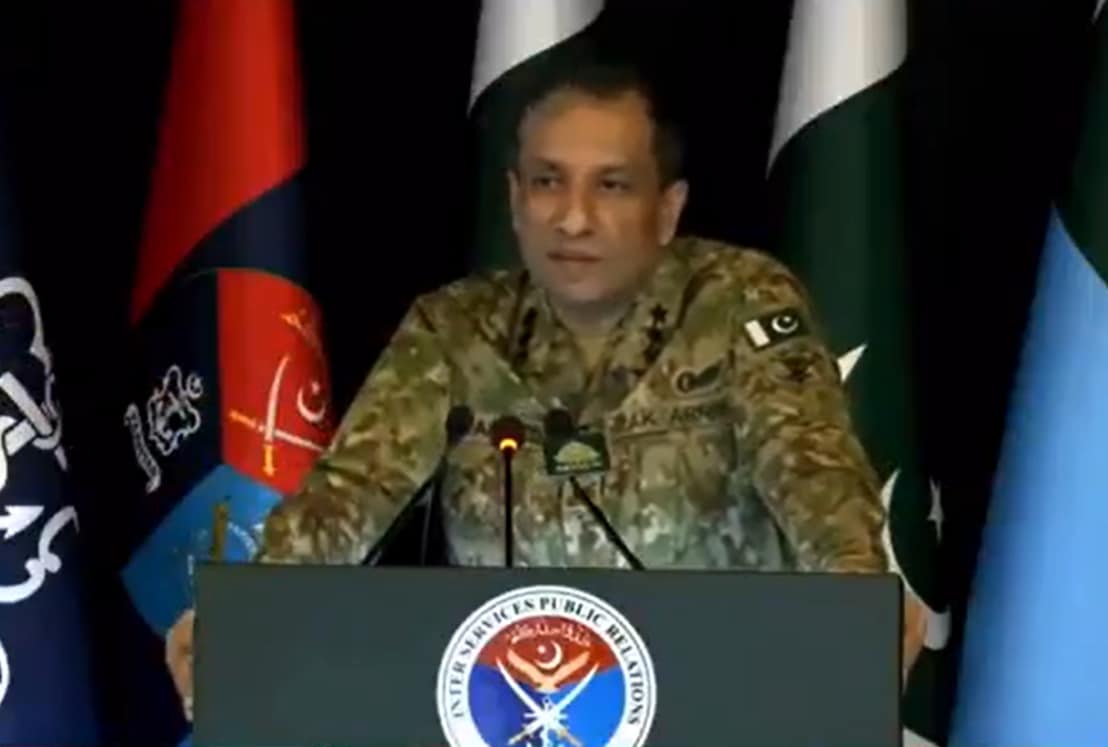
The statements have triggered concern among security and diplomatic sources. Experts pointed out that the public naming of foreign journalists is unusual for Pakistan Army briefings. (Photo: X/@chesschief)
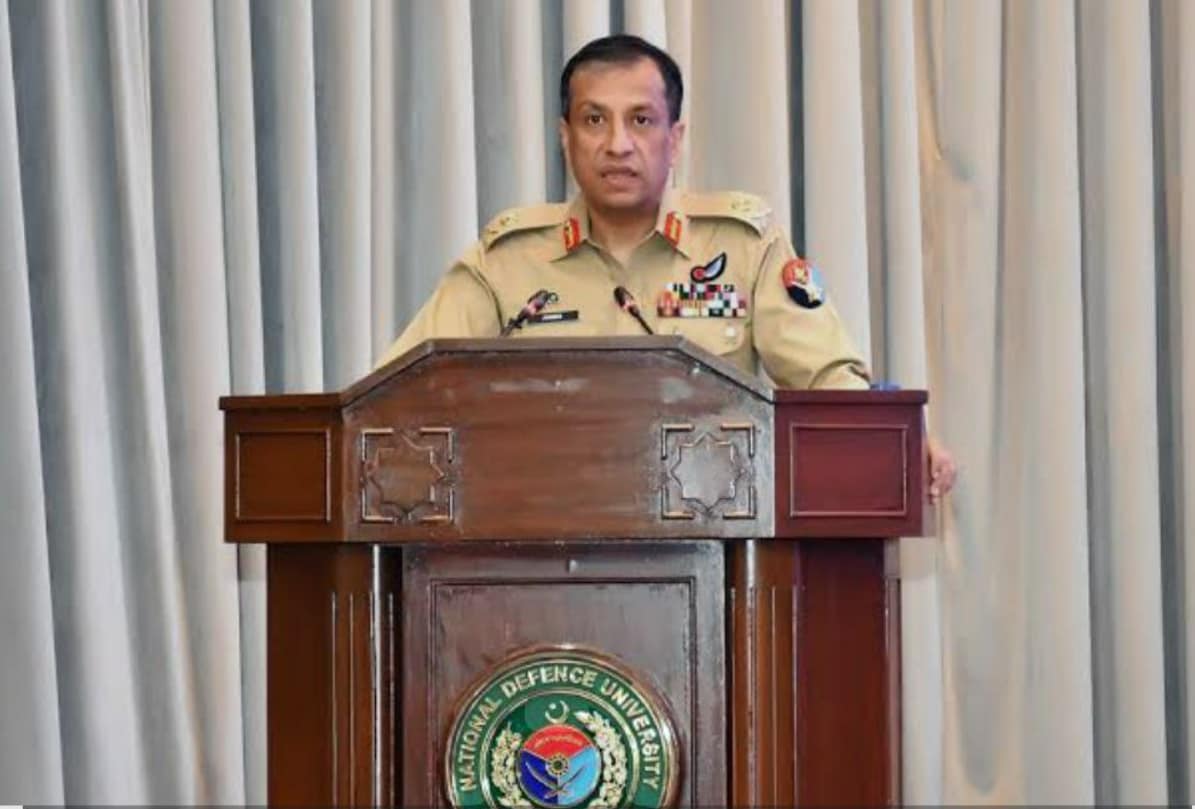
During the same briefing, Chaudhry issued another provocative statement, saying, “Mazaa na kraayaa, toh paise vaapis (If you don’t enjoy it, money back).” He also issued a threat for India and Afghanistan if they launched attacks on Pakistan, adding, “Aa jao, tum dono ka swagat hai (come ahead, both of you are welcome).” These remarks brought renewed focus to his public communication style.
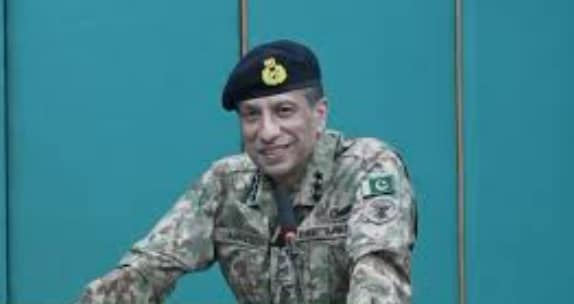
Lt Gen Chaudhry has been Pakistan’s DG ISPR since December 2022. Throughout his tenure, he has made multiple statements that sparked backlash particularly during India-Pakistan tensions. His comments have often drawn criticism for being unprofessional or provocative. Analysts note that he frequently attracts attention online with some moments going viral and causing public debate.
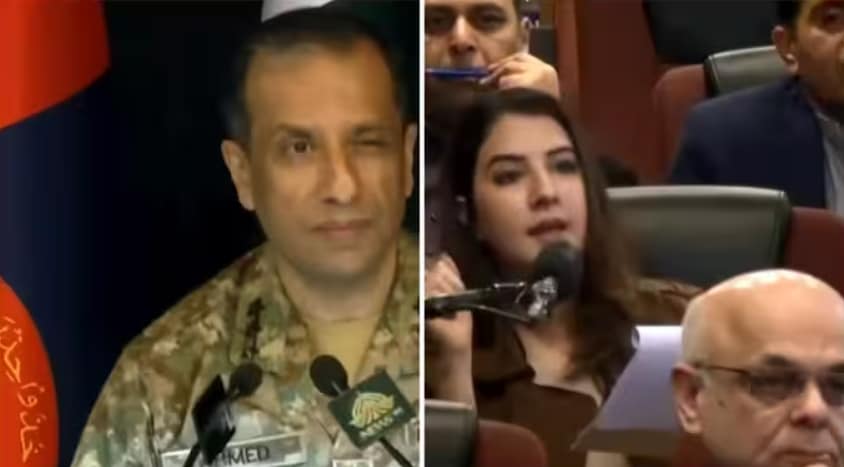
One of the incidents that went viral occurred in December 2025. During a press conference, Chaudhry winked and smiled at female journalist Absa Komal after she questioned him about remarks on former Pakistan Prime Minister Imran Khan.
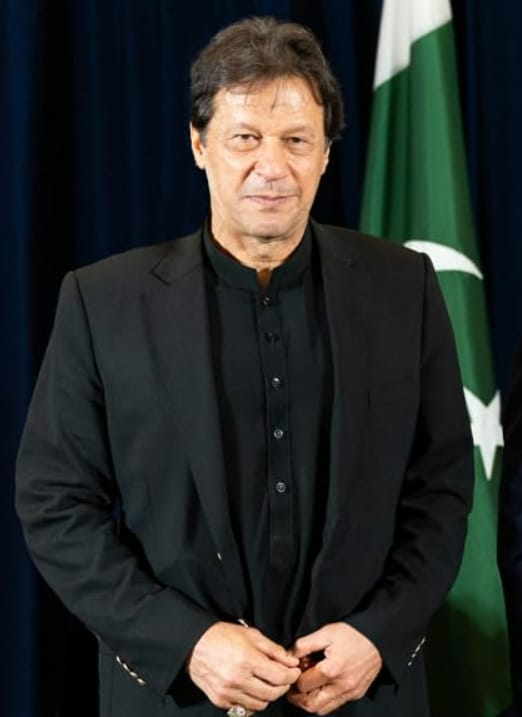
He had called Imran Khan a “national security threat” and a “mental patient.” The gesture was widely condemned on social media as “harassment” and “unprofessional conduct.” Many users demanded his removal following the incident.
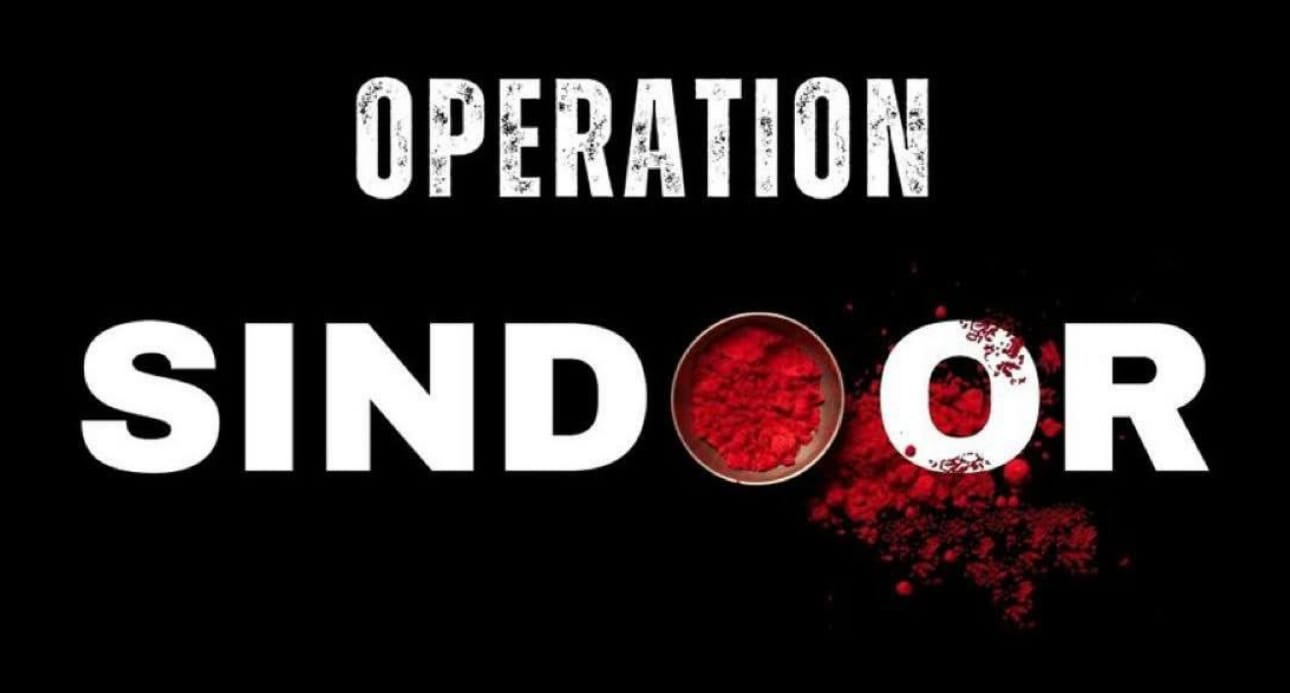
Another major moment came during Operation Sindoor in May 2025. Chaudhry accused India of conducting unprovoked airstrikes that, according to him, targeted women, children and infrastructure, specifically mosques. Operation Sindoor was launched after a terror attack in Pahalgam killed 26 civilians. The Indian tri-services carried out precision strikes on nine terrorist camps in Pakistan and Pakistan-occupied Kashmir (PoK) and eliminated more than 100 terrorists.

The controversial “water threat” statement further amplified tensions. In reaction to India suspending the Indus Waters Treaty, Chaudhry warned, “Tum humara paani band kar doge, toh hum tumhara saans band kar denge (If you stop our water, we will stop your breath).” The Indus Waters Treaty, signed in 1960 with the World Bank as a signatory, regulates the sharing of six major rivers between India and Pakistan. (Photo: Grok AI)
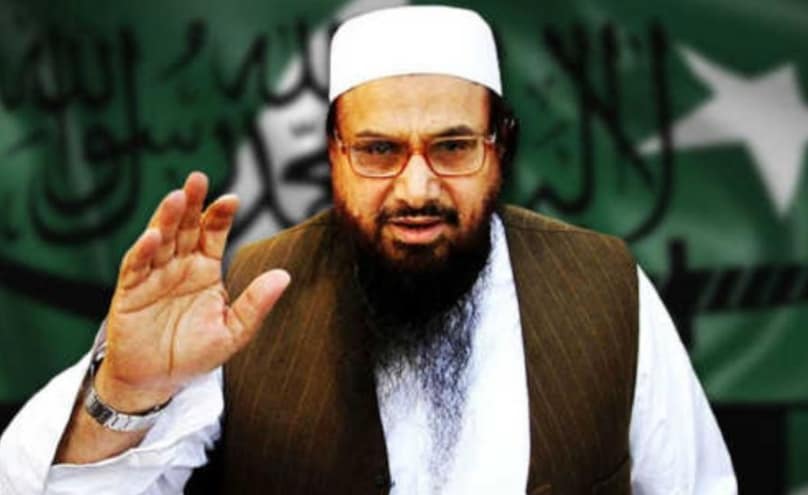
Chaudhry’s rhetoric echoed statements previously made by US-designated terrorist Hafiz Saeed who is the founder of Lashkar-e-Taiba (LeT), a Pakistan-based terrorist organisation responsible for several major attacks in India including the 2008 Mumbai attacks.
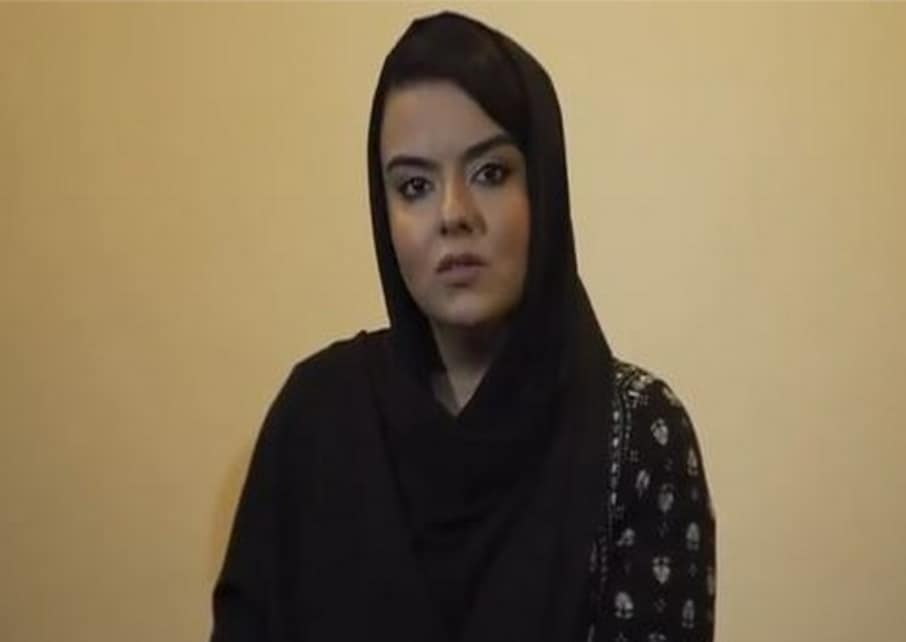
Afghan MP Mariam Solaimankhil weighed in on Chaudhry’s water threat and noted the similarity to Hafiz Saeed’s rhetoric. “He seems to have copied Lashkar-e-Taiba’s founder Hafiz Saeed word for word -- ‘If India stops the water we will stop their breath’. I guess the Pakistani military establishment shares a script with recognised terrorists,” she wrote on X (formerly Twitter). Her comment fueled further criticism and discussion online.

During Operation Sindoor, Chaudhry also defended LeT terrorist Hafiz Abdur Rauf by calling him a “religious leader and common family man.” The military spokesperson showed a National Identity Card claiming Rauf as an official of the Pakistan Markazi Muslim League (PMML), Welfare Wing Incharge. India and the US rejected this defence and cited Rauf’s links to attacks on Parliament and Pathankot. The statement drew international criticism for equating a designated terrorist to a normal citizen.
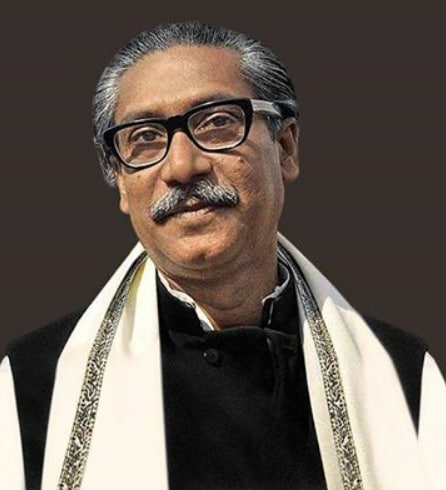
In December last year, Chaudhry stirred controversy by calling Sheikh Mujibur Rahman a “known traitor” to Pakistan. He made this remark while criticising former Prime Minister Imran Khan who had frequently referenced Sheikh Mujibur Rahman and appeared inspired by him in his political speeches.
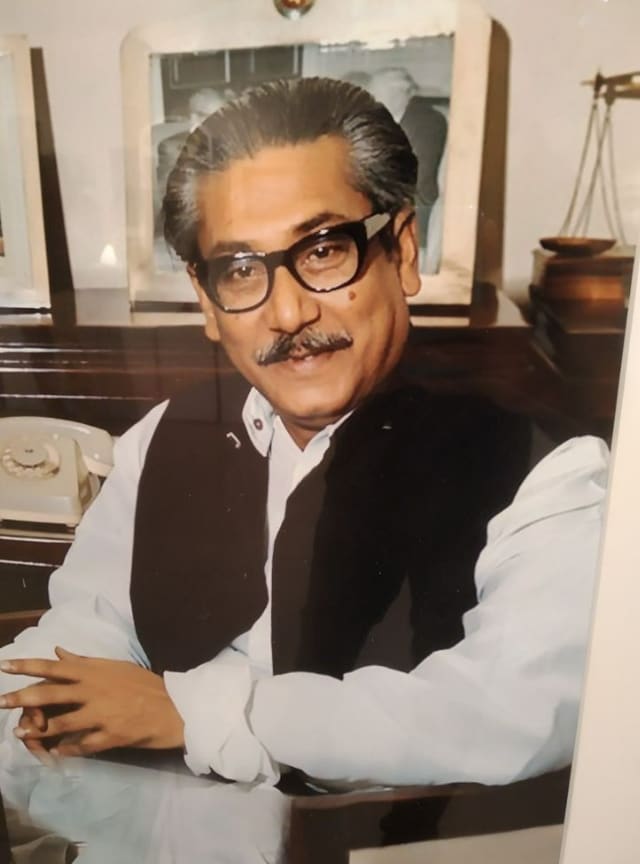
Sheikh Mujibur Rahman is widely celebrated in Bangladesh as the “Father of the Nation” and known as “Bangabandhu” (Friend of Bengal) for his pivotal role in leading the country’s independence movement. The statement drew sharp reactions given Sheikh Mujibur Rahman’s revered status in Bangladesh and his historical significance.
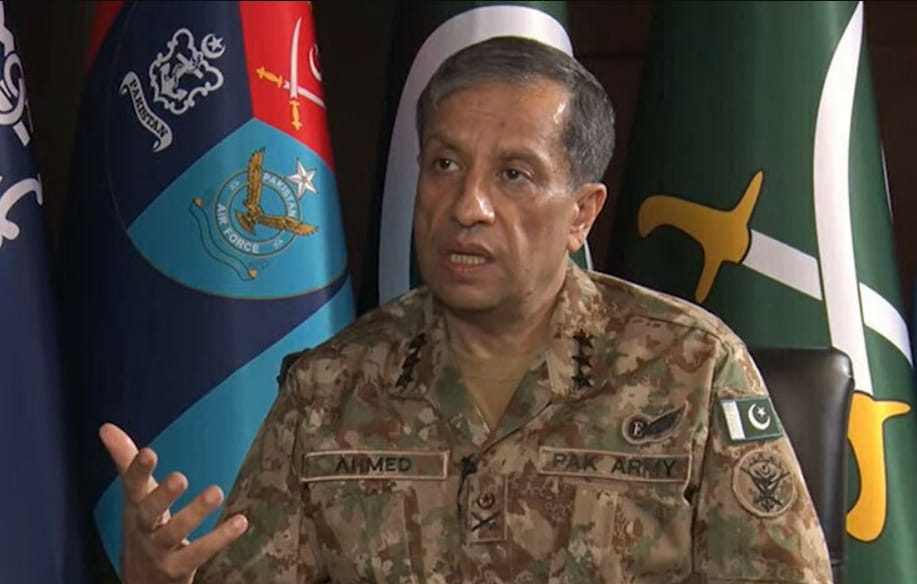
During a recent press briefing, Chaudhry said that the past year had seen what he described as “unprecedented intensity in counter-terrorism efforts.” Referring to developments in 2025, he added that the Pakistani state and its people had achieved what he called “complete clarity on terrorism.”
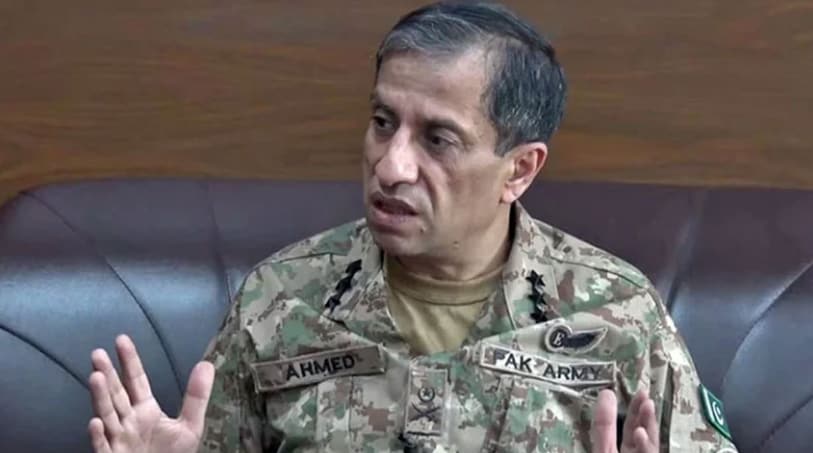
Balochistan.” Fitna-al-Khawarij is a term that Pakistan has designated for the banned Tehreek-i-Taliban Pakistan (TTP) and it uses Fitna-al-Hindustan for Balochistan-based terrorist groups to highlight India’s alleged role in terrorism and destabilisation across Pakistan. Both Kabul and New Delhi have denied the allegations. (Photo: Instagram/@radiopakistannewsofficial)
News Photogallery viral From Terrorist ‘Family Man’ To Journalist Wink: DG ISPR’s Lows Before ‘Mazaa Na Karaya’ Slang




 English (US) ·