
 (6).png) 1 hour ago
1
1 hour ago
1
ARTICLE AD BOX
Earlier, Israeli Defence Minister Israel Katz said both Soleimani and Ali Larijani, secretary of Iran’s Supreme National Security Council, were “eliminated last night.”

Iran’s judiciary-linked Mizan news agency on Tuesday (March 17) confirmed the killing of Gholam Reza Soleimani, head of the Revolutionary Guard’s Basij force. Soleimani had long been accused of overseeing crackdowns on dissent and was sanctioned by the United States, the European Union and others.
Earlier, Israeli Defence Minister Israel Katz said both Soleimani and Ali Larijani, secretary of Iran’s Supreme National Security Council, were “eliminated last night.”
Israeli Prime Minister Benjamin Netanyahu said the strikes were aimed at weakening Iran’s leadership.
“We are undermining this regime to give the Iranian people the opportunity to remove it,” he said.
Uncertainty over Larijani’s fate
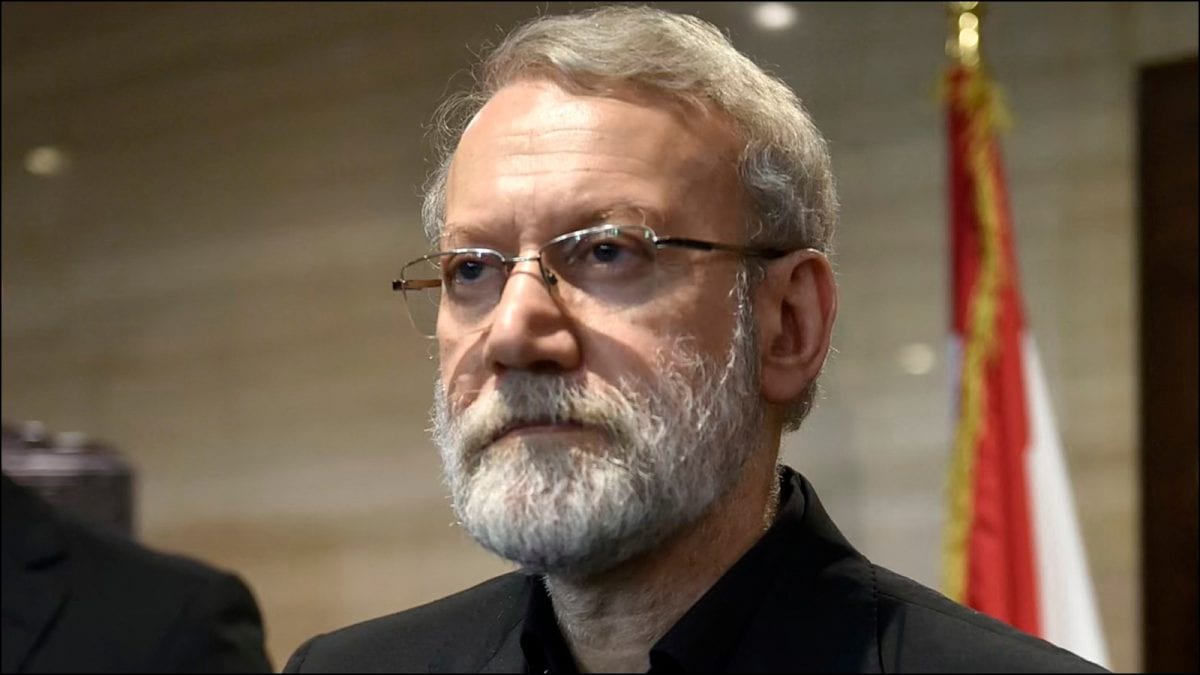
Iran has not confirmed or denied the reported killing of Larijani, a powerful political figure who rose in influence after the reported death of Ali Khamenei in an earlier airstrike.
A former parliamentary speaker and senior adviser, Larijani played a key role in nuclear negotiations and was sanctioned by the US Treasury for allegedly “coordinating” the suppression of protests.
Key figures in protest crackdown
Both Larijani and Soleimani were central to Iran’s response to anti-government protests in January that challenged the country’s 47-year-old theocratic system. Their reported deaths could significantly impact Iran’s internal security structure during a critical phase of the conflict.
Sanctions and role in Basij
Soleimani, as head of the Basij militia, was accused of leading efforts to suppress dissent over several years. His role drew sanctions from Western nations, reflecting international concern over human rights violations linked to protest crackdowns.






 English (US) ·