
 1 week ago
2
1 week ago
2
ARTICLE AD BOX
Last Updated:January 09, 2026, 09:20 IST
The nationwide internet blackout in Iran came as protests over soaring prices, a collapsing currency and growing anti-establishment anger spread to all 31 provinces.

Protesters march on a bridge in Tehran/People walk as shops are closed during protests in Tehran's centuries-old main bazaar (Photos: AP)
Iran’s nationwide internet blackout on Thursday night marks one of the most severe communication shutdowns the country has seen in recent years. Internet and phone cuts have become a hallmark of state response to major uprisings, often preceding or accompanying violent crackdowns.
Yet this latest blackout arrives at a moment of compounding crises: a collapsing currency, soaring prices of essential goods, political discontent directed at the Supreme Leader, and a rare, openly expressed nostalgia for the monarchy.
The shutdown unfolded just as mass demonstrations spread for a twelfth consecutive day. While previous protest waves were triggered by social restrictions or isolated incidents, this round is anchored in widespread economic distress that has shaken the traditional political base of the Islamic Republic. Against this backdrop, Iran’s decision to sever digital communication has raised concerns among rights groups and watchdogs about the scale of force that could follow.
Why Has Iran Imposed A Nationwide Internet Blackout?
According to Cloudflare and NetBlocks, both of which track global internet traffic, Iran’s connectivity plunged sharply on Thursday evening, affecting internet access and telephone lines nationwide. The groups attributed the outage to government interference. Such blackouts have previously coincided with intense state crackdowns on protesters.
Alp Toker, director of NetBlocks, told CNN that “national blackouts tend to be the regime’s go-to strategy when deadly force is about to get used against protesters," with the aim of preventing information from spreading and limiting international scrutiny. Despite the shutdown, some Iranians were still able to access Wi-Fi using “contraband terminal equipment" that links to Starlink.
The blackout began shortly after demonstrations surged across Tehran and more than 100 cities. Iranian authorities have not provided an explanation, but the timing — aligning with calls for nationwide protests — points to an effort to obstruct mobilisation and documentation of events on the ground.
What Triggered The Latest Protests?
The protests were catalysed by a dramatic economic downturn. A sudden slide in Iran’s currency and spiralling prices of everyday goods have made life increasingly unaffordable.
The Guardian reported that the average price of food has risen by more than 70 per cent since last year, with medicine prices up around 50 per cent. A key decision to end a subsidised exchange rate for importers caused immediate spikes in cooking oil, chicken and other essentials, prompting traders in Tehran’s Grand Bazaar to shut their shops, a rare move by a group traditionally aligned with the state.
The shopkeepers’ grievances surged when the central bank ended access to cheaper US dollars for selected importers. Attempts by the reformist-led government to ease pressure, including small cash handouts, failed to quell anger.
Beyond economic distress, protesters are now openly challenging political leadership. Many chants target Ayatollah Ali Khamenei, the Supreme Leader, with calls such as “Death to Khamenei" and “Death to the Islamic Republic!" heard across multiple cities.
How Big Are The Protests Now?
Demonstrations have spread to all 31 provinces, marking a rare nationwide mobilisation. In Tehran, crowds blocked roads and lit fires, while in the north-west city of Abadan, images showed large street gatherings. In Mazandaran, protesters chanted for Khamenei’s removal. In the southern Fars province, demonstrators pulled down a statue of Qassem Suleimani, the senior Revolutionary Guards commander revered by government supporters.
Protests have reached cities such as Ilam, Lorestan, Mashhad, Kermanshah, Tabriz and Golestan, many of which have witnessed both demonstrations and violent confrontations.
The toll continues to rise.
- Norway-based Iran Human Rights NGO (IHRNGO) said at least 45 protesters, including eight children, had been killed since late December. It said hundreds more have been injured and over 2,000 people detained.
- A US-based Human Rights Activists News Agency reported at least 39 deaths and over 2,260 detentions.
- Iranian state-linked media said at least 21 people, including security personnel, have died.
- Fars News Agency reported 950 police officers and 60 Basij personnel injured.
Rights groups and outlets, including Amnesty International, have accused authorities of using unlawful force, raiding hospitals to detain wounded protesters, and firing on demonstrators in Kurdistan-linked regions like Kermanshah.
How Are These Protests Different From Earlier Movements?
The ongoing protests are the biggest since the large-scale and deadly protests that were sparked by the death of 22-year-old Mahsa Amini while in the custody of the religious police in 2022.
The current movement began inside Tehran’s Grand Bazaar, where traders protested after the government ended access to cheaper US dollars for certain importers, causing the prices of essential goods to rise sharply overnight. Their participation is notable because bazaar shopkeepers have historically been seen as supportive of the Islamic Republic, and their mobilisation helped spark wider demonstrations.
These protests are also broader and more decentralised. What started with shopkeepers in the bazaar spread quickly to universities, provincial cities and rural areas as Iran’s economic crisis deepened. Inflation, rapid currency depreciation and soaring prices of food and medicine have driven people in different regions to protest, creating a movement driven by varied grievances.
Another distinctive feature is the scale of pro-monarchy sentiment. Chants such as “This is the last battle! Pahlavi will return!" — heard in cities from Tehran to Ilam and Mazandaran — mark a rare moment in which open support for Reza Pahlavi, the exiled crown prince, is surfacing across multiple provinces. Such chanting once carried severe consequences.
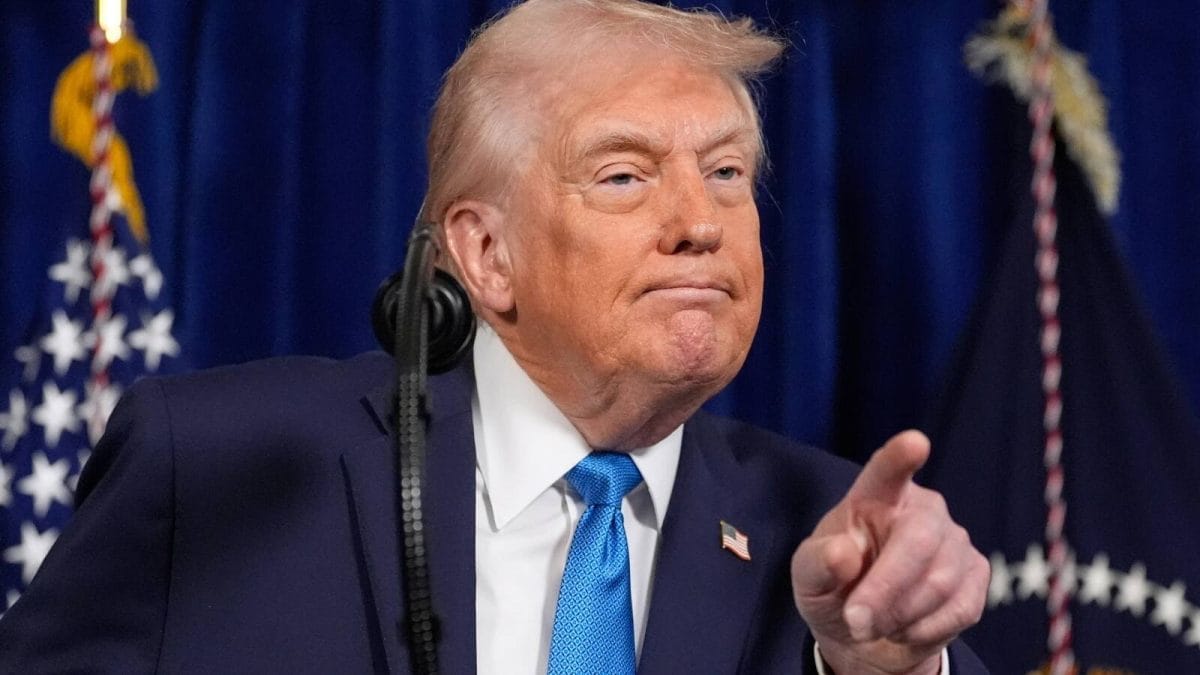
The unrest is unfolding at a time when Iran’s leadership is also dealing with external threats. Just last year, the United States launched attacks on Iran for the first time in years, and US President Donald Trump recently warned that the US would “hit them very hard" if protesters were killed.
“I have let them know that if they start killing people, which they tend to do during their riots … we’re going to hit them very hard," Trump told radio host Hugh Hewitt.
What Role Is Reza Pahlavi Playing?
Reza Pahlavi, the exiled crown prince and son of the last Shah of Iran, has taken an unusually prominent role in encouraging mass mobilisation. His calls for coordinated demonstrations on Thursday and Friday appeared to draw significant crowds.
In a widely shared statement, he said: “Great nation of Iran, the eyes of the world are upon you. Take to the streets and, as a united front, shout your demands."
He warned Iranian authorities that “the world and (President Donald Trump) are closely watching you. Suppression of the people will not go unanswered."
How Is The Iranian State Responding?
State forces have used live ammunition to suppress the protests and have carried out widespread, mass arrests in some cities, according to IHRNGO.
Iranian President Masoud Pezeshkian urged authorities to avoid “any violent or coercive behaviour" and appealed for “dialogue, engagement and listening to the people’s demands," acknowledging the intensity of the grievances driving the demonstrations. However, security forces and state media have increasingly framed parts of the movement as violent, describing some groups as “rioters" allegedly equipped with weapons.
The confrontation has expanded beyond domestic audiences. After Trump warned that if Iranian forces “start killing people", the US would “hit them very hard," Iran’s Foreign Ministry issued a strong rebuttal. It accused Washington of hypocrisy, citing what it called the “long history of criminal interventions by successive US administrations in Iran’s internal affairs," and described the American position as an attempt to “deceive public opinion."
Tensions rose further when Iran’s army chief warned that the country could carry out pre-emptive strikes against states seen as posing a threat. The government has also suggested that foreign-backed groups are attempting to exploit the unrest. Meanwhile, US officials continued to signal support for the protesters, with the US State Department sharing videos of demonstrators and commenting on rising prices and the economic pressures facing Iranians.
What Does The Blackout Signal For What Comes Next?
Internet shutdowns in Iran have historically foreshadowed escalated repression. NetBlocks said the blackout resembled previous episodes where “deadly force" soon followed. Rights groups argue that the scale of arrests, injuries and shootings already points to a broadening operation.
At the same time, the government faces deep structural challenges: crippling sanctions, a rapidly depreciating currency, and a political landscape where both working-class and middle-class Iranians — once stabilising forces — are expressing profound distrust.
“None of Iran’s political leaders have a blueprint to get Iran out of the crises. The only tool that the Islamic Republic truly has left is coercion and force," Arang Keshavarzian, an associate professor of Middle Eastern and Islamic studies at New York University, told CNN.
Whether the blackout marks the start of a harsher phase or an attempt to regain control without escalating violence, it underscores the seriousness of a moment in which Iran’s leadership appears increasingly pressured from its streets, its economy and a shifting global environment.
First Published:
January 09, 2026, 09:20 IST
News explainers Iran Goes Dark: Why The Government Cut Internet Access Amid Widespread Protests
Disclaimer: Comments reflect users’ views, not News18’s. Please keep discussions respectful and constructive. Abusive, defamatory, or illegal comments will be removed. News18 may disable any comment at its discretion. By posting, you agree to our Terms of Use and Privacy Policy.
Read More




 English (US) ·