
 1 hour ago
2
1 hour ago
2
ARTICLE AD BOX
Last Updated:April 29, 2026, 07:48 IST
A report says Trump has weighed the options of resuming direct military strikes and concluded it carries greater risks than maintaining a prolonged blockade.


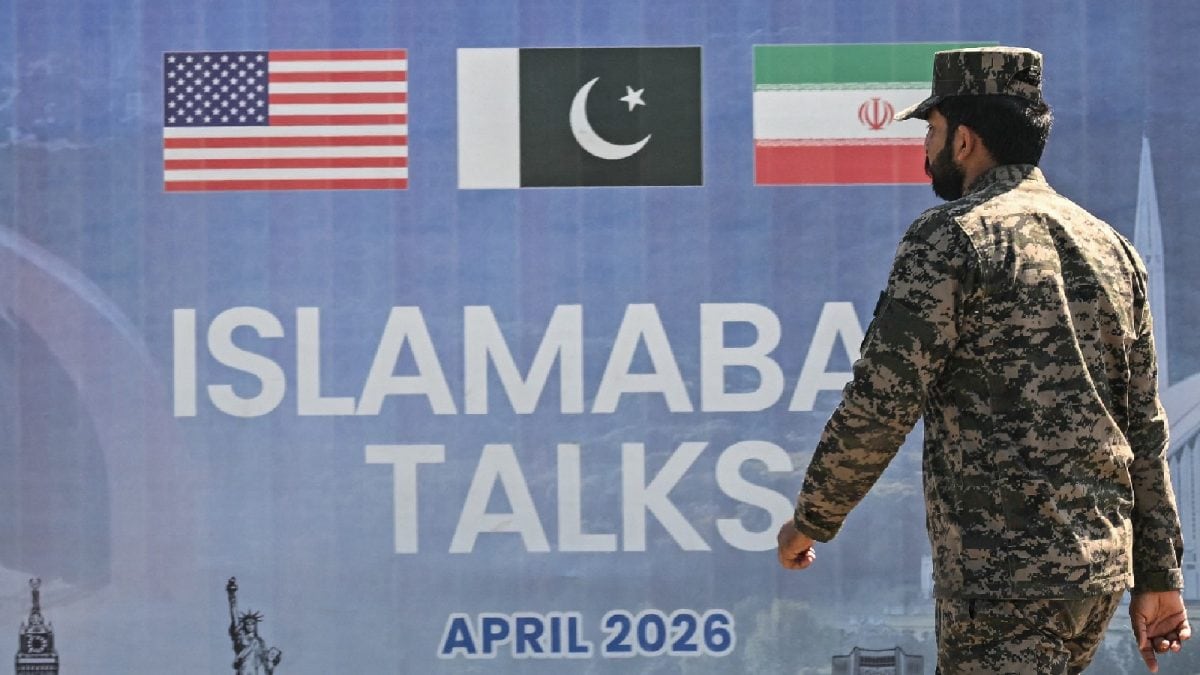
Trump imposed the naval blockade on the Strait of Hormuz after US-Iran peace talks collapsed in Islamabad. (Photo: Reuters)
The pressure on Iran is now an economic chokehold tightening by the day, with the United States’ blockade of Strait of Hormuz. According to a report by the Wall Street Journal, US President Donald Trump has instructed his aides to prepare for a “long-term siege" on Iran, signalling a strategic shift away from short bursts of escalation towards sustained economic strangulation. The report suggests Trump has weighed the options – resuming direct military strikes or pulling back entirely – and concluded that both carry greater risks than maintaining a prolonged blockade.
At the heart of this strategy lies the Strait of Hormuz, one of the world’s most critical oil transit chokepoints. By effectively restricting Iran’s tanker movement through the narrow waterway, the United States is squeezing Iran where it hurts most: its oil lifeline. Iranian exports have slowed sharply, and the consequences are beginning to ripple through the country’s economy.
Recent assessments indicate Iran may have as little as 12 to 22 days of available oil storage capacity left. With exports curtailed and production continuing, Iran is reportedly running out of places to store its crude. This creates a cascading problem – once storage fills up, Iran will be forced to cut production, directly impacting state revenues that are heavily dependent on oil sales.
The situation has pushed Iran into increasingly unconventional measures. One such move includes bringing back ageing tankers, including a long-retired “ghost ship" M/T Nasha, to temporarily store excess crude at sea. These floating storage solutions, however, are costly, inefficient, and only offer short-term relief.
Meanwhile, the broader economic strain is mounting. A sustained blockade not only reduces revenue but also disrupts Iran’s ability to stabilise its currency, manage inflation, and fund essential imports. The longer the siege continues, the deeper the economic scars are likely to become.
For US, officials believe this approach offers a calculated advantage. By avoiding direct conflict while maintaining relentless pressure, the US can weaken Iran’s economic foundations without triggering a wider regional war. But it is a delicate balance – prolonged economic warfare carries its own risks, including potential retaliation in the Gulf and volatility in global oil markets.
What is clear is that this is no longer a short-term standoff. If the current strategy holds, Iran is staring at a drawn-out economic battle – one where time, storage space, and financial resilience are rapidly running out.
Handpicked stories, in your inbox
A newsletter with the best of our journalism
First Published:
April 29, 2026, 07:48 IST
News world Trump Preparing For A Long-Term Siege On Iran With Prolonged Hormuz Blockade: Report
Disclaimer: Comments reflect users’ views, not News18’s. Please keep discussions respectful and constructive. Abusive, defamatory, or illegal comments will be removed. News18 may disable any comment at its discretion. By posting, you agree to our Terms of Use and Privacy Policy.
Read More






 English (US) ·