
 1 day ago
3
1 day ago
3
ARTICLE AD BOX
Last Updated:April 21, 2026, 19:33 IST
US-Iran Ceasefire Ends On April 22: Iran is reluctant to participate in talks, Trump threatens to resume bombing. What next in US-Iran war? News18 explains the likely 4 scenarios


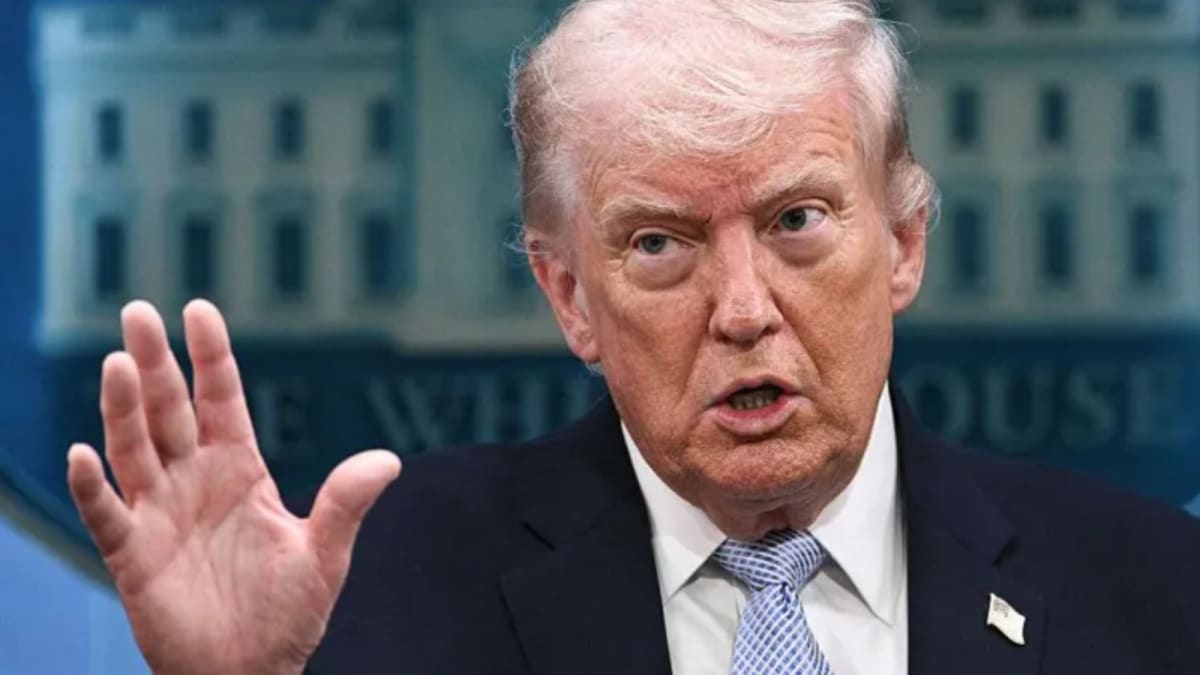
The ongoing crisis in West Asia — with its human costs and geopolitical ramifications — compels deeper reflection on the nature of global order. (Image: AFP/File)
The ongoing war between the United States and Iran is at a critical juncture. A fragile two-week ceasefire, which began on April 8, after 40 days of intense conflict, is scheduled to expire on Wednesday, April 22. Diplomatic efforts in Islamabad, Pakistan, led by US Vice President JD Vance, have largely stalled. Iran has expressed deep reluctance to participate in further talks while under the “shadow of threats" from a US naval blockade and President Donald Trump’s warnings of resumed bombing.
What next? News18 explains.
WHAT TRUMP SAID ON TUESDAY
President Trump told CNBC in an interview on Tuesday that he did not want to extend a ceasefire with Iran, adding the U.S. was in a strong negotiating position and would end up with what he called a great deal. “I don’t want to do that. We don’t have that much time," Trump said when asked about the possibility of extending the ceasefire.
Washington has expressed confidence that talks with Iran will go ahead in Pakistan, and a senior Iranian official said Tehran was considering joining. With the prospect of last-ditch further peace talks still up in the air, Trump said the US would resume its attacks on Iran if a deal is not struck with Tehran soon.
“I expect to be bombing because I think that’s a better attitude to go in with. But we’re ready to go. I mean, the military is raring to go," a Reuters report quoted Trump as saying.
THE FOUR SCENARIOS
Quoting analysts and regional observers Al Jazeera identified four primary scenarios on what may happen next:
1. Interim memorandum of understanding
The most optimistic outcome involves reaching a temporary “interim understanding" rather than a final peace deal.
The goal would be to buy more time for diplomacy by formalizing a framework for trading nuclear concessions for sanctions relief. Both the countries could stabilise the current ceasefire and establish a roadmap for long-term negotiations.
In the scenario, the obstacle would be Iran’s uranium stockpile and the US demand for “zero enrichment", say experts
2. Stalemate with a ceasefire extension
In this case, negotiations could end without a breakthrough, but both sides might still agree to extend the ceasefire.
The logic, experts say, is that despite the lack of a deal, neither side may want to immediately return to full-scale kinetic warfare.
This would lead to a “fragile pause" that prevents immediate bombing but maintains the high risk of miscalculation due to ongoing naval friction.
Trump has called this “highly unlikely" without a deal, but analysts suggest a last-minute extension via social media remains possible, according to experts quoted by Al Jazeera.
3. No formal talks, but no immediate war
In this scenario, the formal negotiation track in Islamabad collapses, but a return to total war is avoided through strategic patience or back-channel communication.
Iran may focus on deepening ties with China and Russia while “weathering" the U.S. blockade.
It could lead to a new normal, a state of “no war, no peace", where the U.S. maintains its blockade and Iran maintains its closure of the Strait of Hormuz, causing continued global energy shocks, say experts.
4. Failed talks and resumption of fighting
This is the most dangerous scenario, where the ceasefire expires without an extension, leading to immediate military escalation. Trump has threatened to target “critical infrastructure," including bridges and power plants, if a deal is not reached. Tehran has warned it will “reveal new cards on the battlefield" and has threatened to close other vital maritime routes like the Bab al-Mandeb Strait.
Analysts warn this could “torch the rest of the region," involving actors across Lebanon, Iraq, and the Persian Gulf.
KEY FAQs
What are the 4 possible scenarios?
Deal/temporary agreement, ceasefire extension without deal, last-minute extension without talks, or full collapse with fighting resuming.
Which outcome looks most likely?
Talks remain uncertain and tensions are rising, making a clean deal unlikely; a fragile extension or breakdown are both realistic.
What happens if the ceasefire collapses?
Renewed strikes, possible escalation across the region, and risks to global oil routes like the Strait of Hormuz.
With agency inputs
Handpicked stories, in your inbox
A newsletter with the best of our journalism
First Published:
April 21, 2026, 19:33 IST
News explainers US-Iran Ceasefire Ends Tomorrow: War Or Peace, What Next? The 4 Likely Scenarios Explained
Disclaimer: Comments reflect users’ views, not News18’s. Please keep discussions respectful and constructive. Abusive, defamatory, or illegal comments will be removed. News18 may disable any comment at its discretion. By posting, you agree to our Terms of Use and Privacy Policy.
Read More






 English (US) ·