
 (6).png) 4 hours ago
2
4 hours ago
2
ARTICLE AD BOX
On the one hand, Trump has asserted multiple times in recent weeks the two nations were on the cusp of a deal. On the other, Iran has been wary and pointed out that previous negotiations with the US have inadvertently led to attacks by Israel and the US.
 US President Donald Trump said on June 13, 2026, a long-awaited deal to end the war in West Asia was set to be signed Sunday, June 14, and that it would lead to the reopening of the Strait of Hormuz.(AFP)
As US President Donald Trump asserted that peace negotiations with Iran will conclude on Sunday, 14 June, Tehran indicated that more time was needed while being optimistic over a deal.
Meanwhile Pakistan, one of the key mediators, said a deal was now closer than ever.
According to an Axios report, Pakistani and Qatari mediators, are expected to hold a virtual meeting today to electronically sign an MoU (memorandum of understanding) that will:
- extend the ceasefire — in place since 7 April — by 60 days,
- reopen the Strait of Hormuz, and
- launch negotiations over Iran's nuclear program.
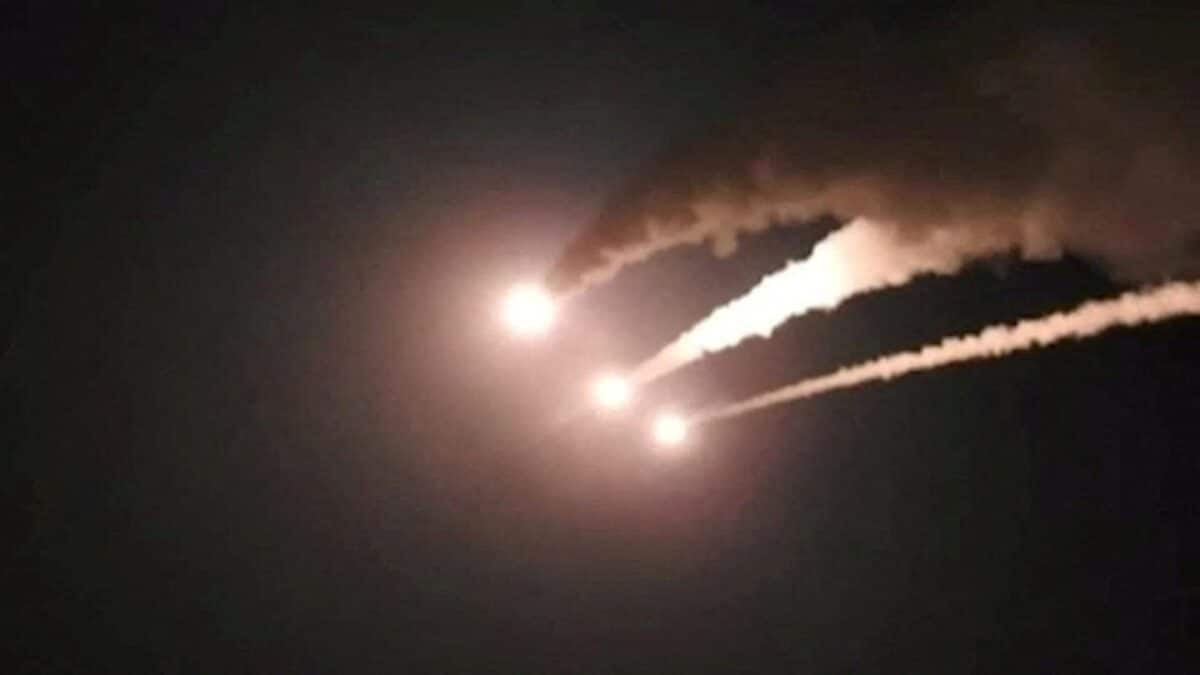
The peace deal, if it concludes today, is significant as it is expected to put an end to more than 100 days of hostilities exchanged among US, Israel, Iran and Lebanon.
Trump said the Strait of Hormuz — the critical waterway through which one-fifth of the world's oil is transported — would immediately “open for all” after the signing.
Who said what
Pakistani Prime Minister Shehbaz Sharif said a deal was expected to be finalized within 24 hours.
However, Iranian press cited the country's foreign ministry spokesperson Esmail Baghaei as saying that the signing “will not happen" on Sunday but “the likelihood of finalising the memorandum of understanding in the coming days is high."
On the one hand, Trump has asserted multiple times in recent weeks the countries were on the cusp of a deal. On the other, Iran has been wary of a peace deal, and has pointed out that previous negotiations with the US has inadvertently led to attacks by Israel and the US.
G7 Summit
The move to expedite finalising of a peace deal with Iran comes ahead of the 2-day G7 Summit in France starting Monday.
President Trump is expected to meet leaders of Egypt, Qatar and UAE on the sidelines of G7, and discuss the demining the Strait of Hormuz, Associated Press reported citing sources.
A US official told Axios that the Crown Prince of Saudi Arabia Mohammed Bin Salman has been invited too, but couldn't join for scheduling reasons. Israeli Prime Minister Benjamin Netanyahu is also not expected to attend, the US official said.
G7 members Britain and France have expressed interest in assisting with demining once the conflict is paused.
It was not clear how many mines are in the strait, which has been in the chokehold of Iran since the beginning of the conflict in late February.
No discussion on nuclear issue
Baghaei has clarified that the MoU under discussion was focused on ending the war and "at this stage, it has been decided that there will be no discussion of the nuclear issue.”
Trump has consistently poked Iran over its nuclear programme and highly enriched uranium. In a social media post, he said that “when all is calm,” the US would go in and “downblend and destroy” the enriched uranium in Iran or in the US
"At the appropriate time, when all is calm, we will go in and get the Nuclear Dust, buried deep under the powerful sunken granite mountains, thanks to our beautiful B-2 Bombers and their brilliant pilots, and downblend and destroy it, whether in Iran, or the United States," Trump wrote in a Truth Social post.





 English (US) ·