
 (6).png) 1 hour ago
1
1 hour ago
1
ARTICLE AD BOX
The US warns Iran that ‘all options are on the table’ at an emergency UN meeting, as dissidents detail a deadly crackdown on nationwide protests.

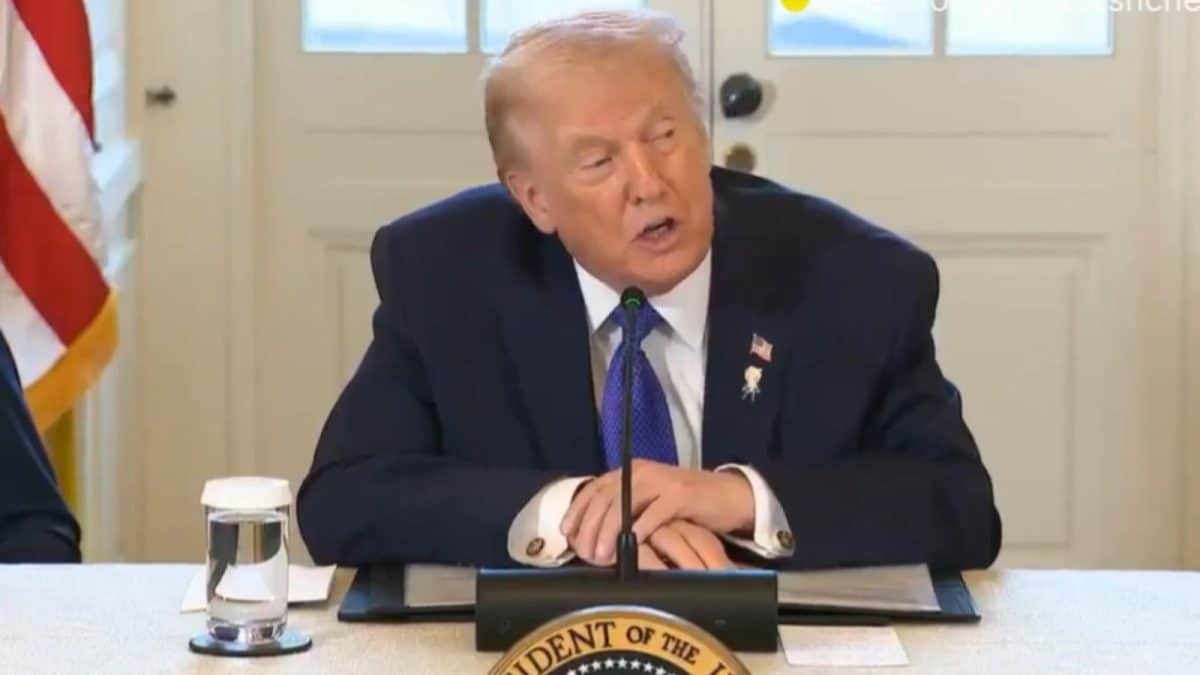
After weeks of mounting tension, the United States and Iran confronted one another on Thursday at an emergency meeting of the United Nations Security Council, as Washington issued renewed warnings to Tehran over its violent suppression of nationwide protests. The confrontation unfolded even as US President Donald Trump signalled tentative efforts to de-escalate the crisis between the two long-standing adversaries.
US renews threat amid protest crackdown
Speaking at the council, US ambassador Mike Waltz delivered a stark message, accusing Iran’s leadership of overseeing a brutal crackdown that activists say has killed at least 2,637 people.
“Colleagues, let me be clear: President Trump is a man of action, not endless talk like we see at the United Nations,” Waltz said. “He has made it clear that all options are on the table to stop the slaughter. And no one should know that better than the leadership of the Iranian regime.”
His remarks came as Washington continued to weigh potential retaliation for the deaths of protesters, even as Trump suggested the violence might be subsiding. By Thursday, demonstrations challenging Iran’s theocratic system appeared largely contained, though a state-imposed internet and communications blackout remained in force.
Dissidents confront Tehran at the UN
The United States convened the emergency session and took the unusual step of inviting two Iranian dissidents to brief the council: Masih Alinejad and Ahmad Batebi. Both delivered harrowing accounts of alleged abuses by the Islamic Republic.
In one of the meeting’s most striking moments, Alinejad addressed Iran’s representative directly.
“You have tried to kill me three times. I have seen my would-be assassin with my own eyes in front of my garden, in my home in Brooklyn,” she said, as the Iranian envoy stared ahead without responding.
Alinejad was the target of a foiled assassination attempt in New York; in October, two alleged Russian mobsters were each sentenced to 25 years in prison for hiring a hitman to kill her on behalf of the Iranian government.
Batebi recounted severe mistreatment during his imprisonment in Iran, describing how guards cut his body before rubbing salt into his wounds.
“If you do not believe me, I can show you my body right now,” he told the council.
Both dissidents urged the United Nations to take stronger action to hold Iran accountable for human rights violations. Addressing Trump directly, Batebi appealed for continued US support.
“You encouraged people to go into the streets. That was a good thing. But don't leave them alone,” he said.
Diplomacy alongside confrontation
Ahead of the meeting, Iranian foreign minister Abbas Araghchi held a phone call with UN secretary general Antonio Guterres, their first direct contact since the protests erupted last month. Iran’s semiofficial Tasnim news agency reported that Araghchi pressed Guterres to meet what he described as Iran’s “serious expectation” that the UN condemn “illegal US interventions against Iran.”
Sanctions and international pressure
As diplomatic exchanges continued, Washington announced new sanctions targeting Iranian officials accused of orchestrating the crackdown. The measures add to pressure already being considered by the Group of Seven industrialised democracies and the European Union, both of which said they were exploring further sanctions.
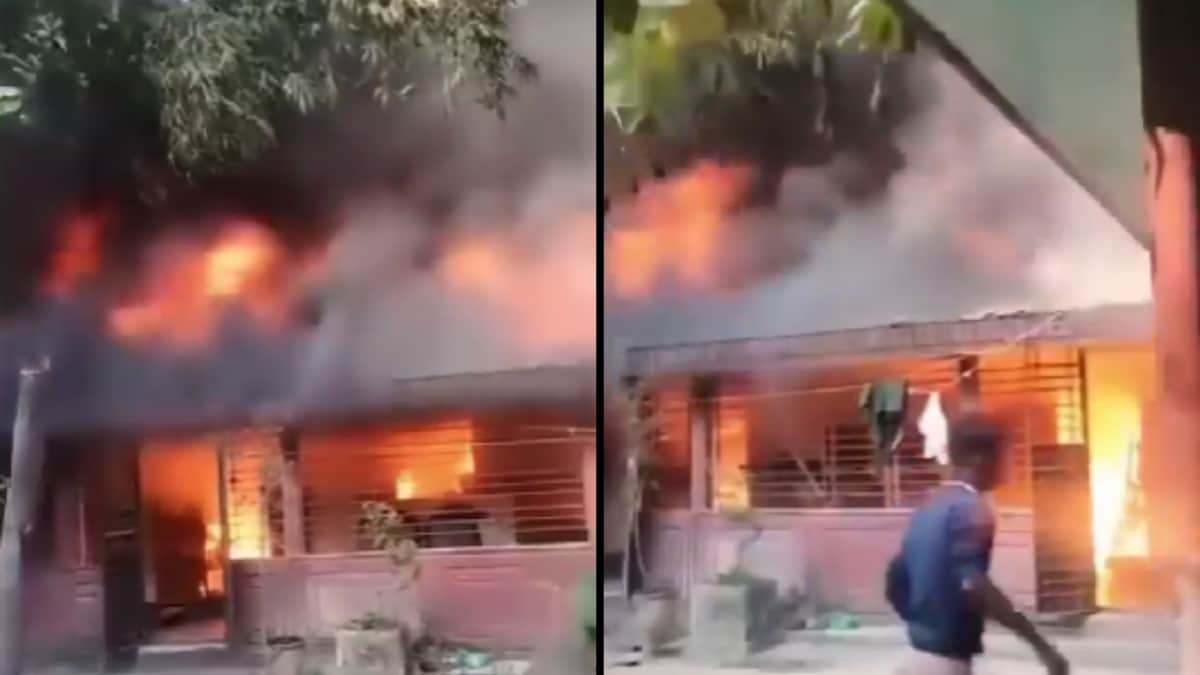
The protests, which began late last month amid economic distress and a collapsing currency, have become one of the most serious challenges to Iran’s leadership in years. Thursday’s Security Council meeting underscored how the unrest has moved beyond Iran’s borders, fuelling a renewed and volatile standoff between Tehran and Washington.




 English (US) ·