
 14 hours ago
3
14 hours ago
3
ARTICLE AD BOX
Last Updated:February 09, 2026, 16:40 IST
BMC's Makarand Narwekar proposes a congestion tax in South Mumbai, inspired by London, Singapore, Stockholm, Milan, New York, Valletta, and Gothenburg.
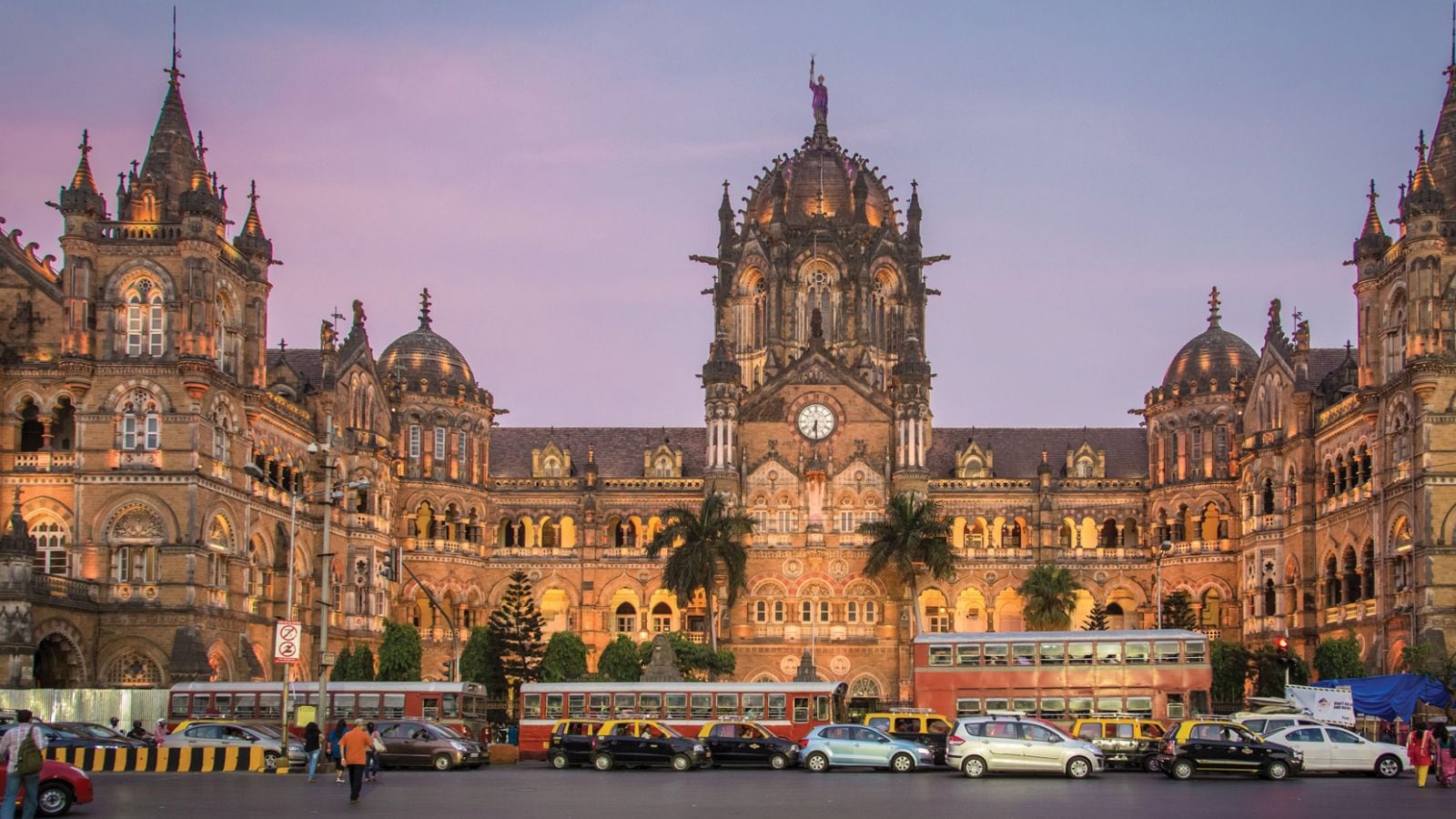
Shortly after the election, BMC councillor Makarand Narwekar proposed a congestion tax in Mumbai’s busiest business districts especially South Mumbai to tackle chronic gridlock and rising pollution. Narwekar suggests charging single-occupant private vehicles entering high-traffic zones, aiming to reduce traffic, cut emissions and fund cleaner, efficient public transport in the city.
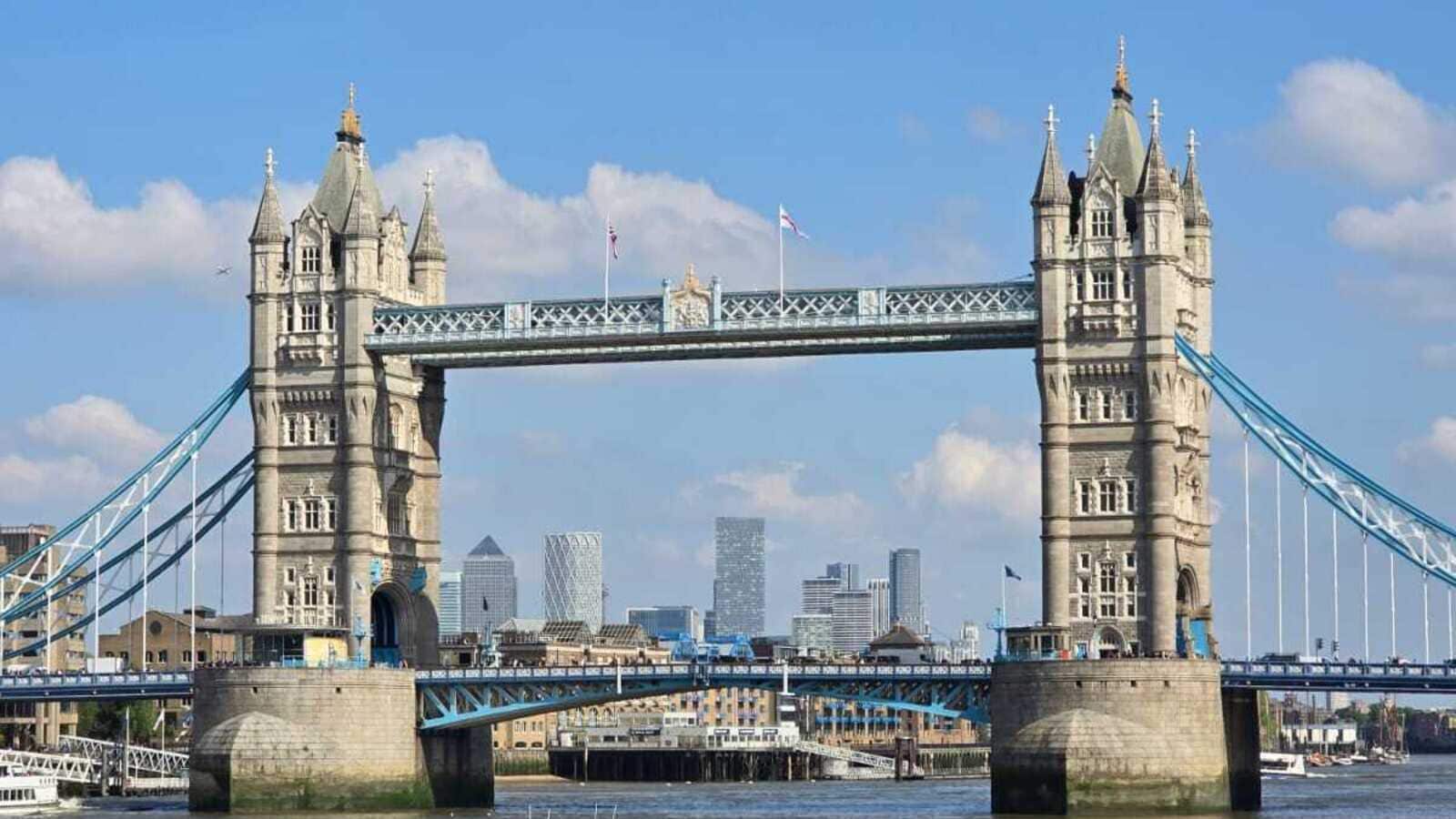
London’s congestion charge zone covers much of its historic and commercial heart, where centuries-old streets were never built for modern traffic. Introduced in 2003, the daily fee discourages unnecessary car trips, reduces pollution, and funds public transport upgrades, making the city centre safer for pedestrians, cyclists, and buses while keeping traffic predictable during peak hours. (Image: Pranay Maniar/ News18)
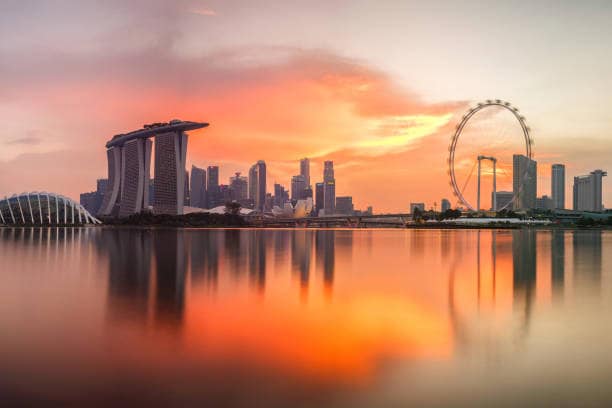
Singapore runs one of the world’s most sophisticated congestion pricing systems using electronic road pricing gantries across the island. Charges vary by time and location based on real-time traffic conditions. The system keeps roads flowing smoothly, reduces emissions, and supports Singapore’s vision of a highly efficient, smart, and transit-first urban transport network.
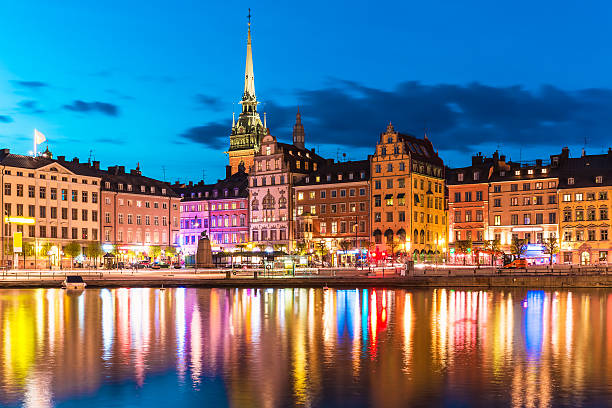
Stockholm’s congestion tax applies when vehicles enter or exit the city centre, especially during rush hours. First tested as a trial, it became permanent after public approval in 2007. The charge has significantly cut traffic volumes, improved air quality, and encouraged commuters to shift toward trains, buses, and cycling in this water-bound capital. (Image: iStock)
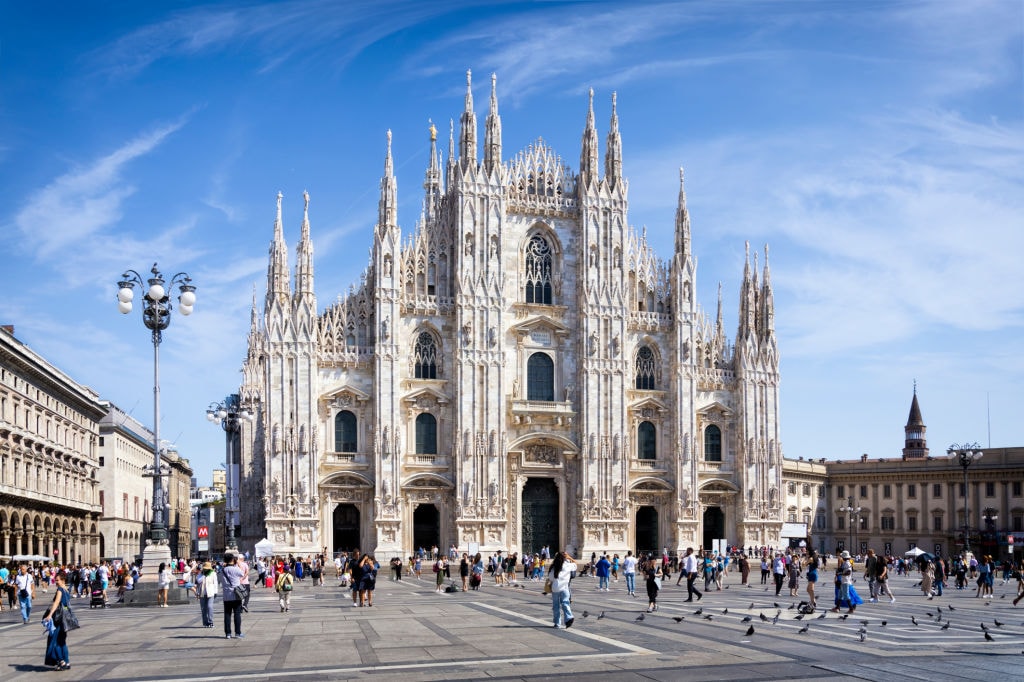
Milan’s “Area C” is a low-emission congestion zone in the historic centre where most vehicles must pay to enter. Introduced in 2012, it aims to curb pollution, protect heritage streets, and prioritize public transport. Stricter rules apply to older, more polluting cars, making Milan a leader in urban environmental policy.
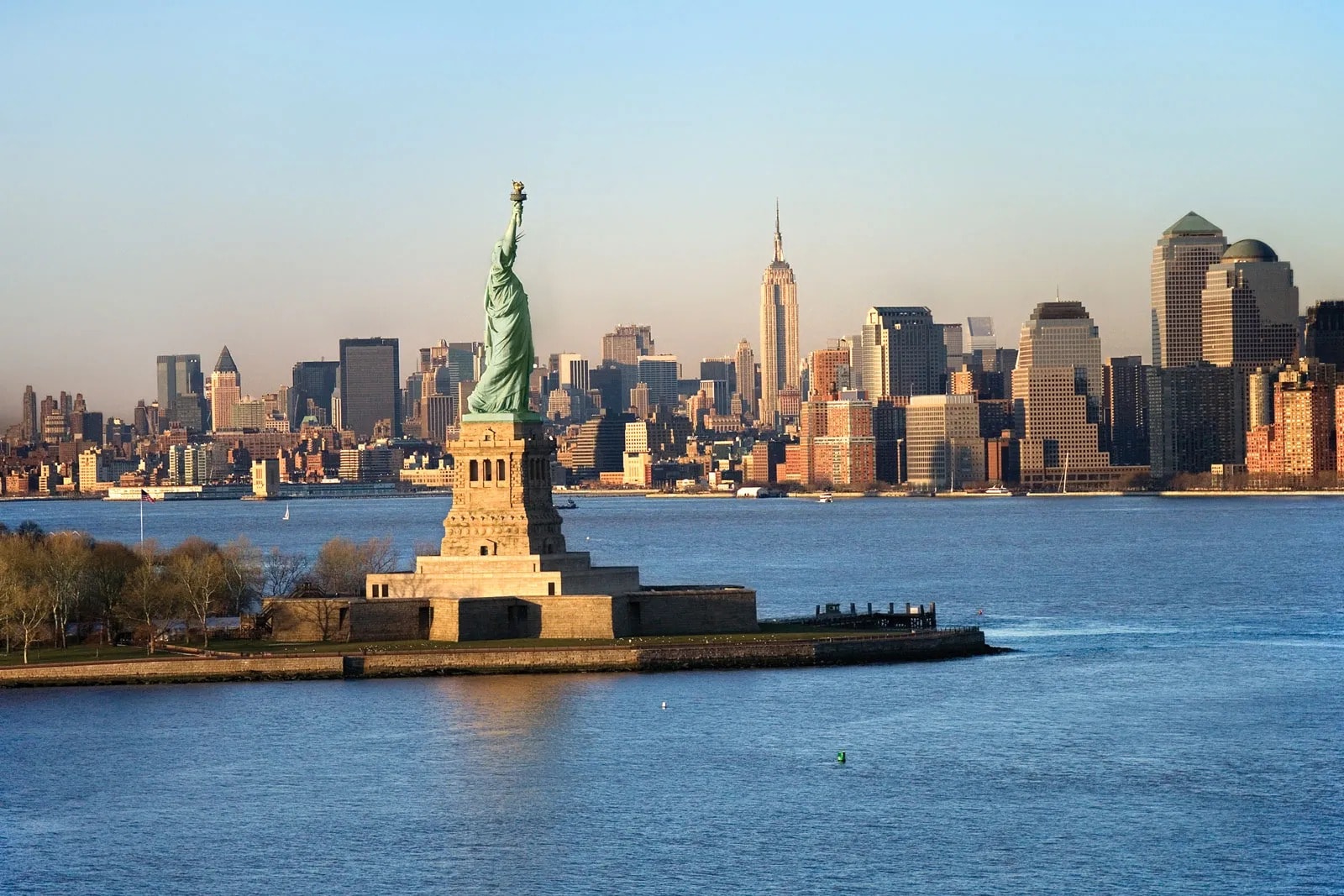
New York became the first major U.S. city to implement congestion pricing in Manhattan’s busiest core in 2025. The system targets chronic gridlock around Midtown and Lower Manhattan, cutting traffic while raising billions for subway and bus upgrades. It marks a major shift in how American cities manage mobility and pollution.
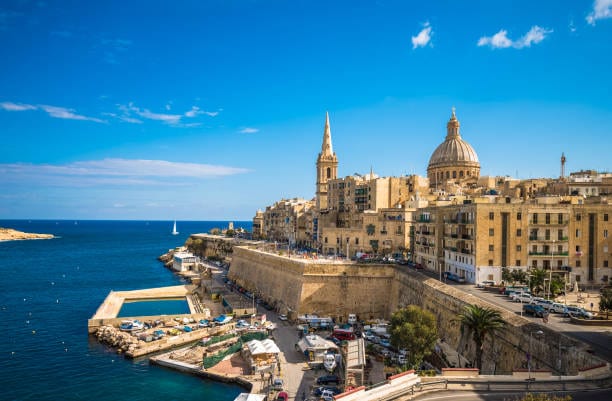
Valletta in Malta, charges drivers to enter its compact, historic core on an hourly basis, making it one of Europe’s strictest systems. The policy protects fragile architecture, reduces overcrowding, and encourages park-and-ride use. With narrow medieval streets, Valletta shows how congestion pricing can preserve heritage while managing modern traffic. (iStock)
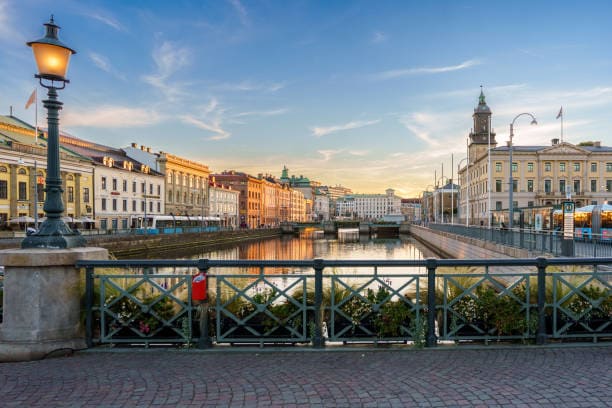
Gothenburg operates a congestion tax similar to Stockholm’s, charging drivers when crossing into or out of the city centre. Implemented to reduce bottlenecks and improve air quality, the revenue helps fund better public transport and road infrastructure, balancing mobility needs with environmental sustainability in Sweden’s second-largest city. (Image: iStock)
News Photogallery Which Global Cities Are Charging Congestion Tax As Mumbai Considers Move?





 English (US) ·