
 2 hours ago
1
2 hours ago
1
ARTICLE AD BOX
Last Updated:April 21, 2026, 08:06 IST
With just hours to go before the April 22 ceasefire deadline, the gap between Washington’s confidence and Tehran’s skepticism has only widened.


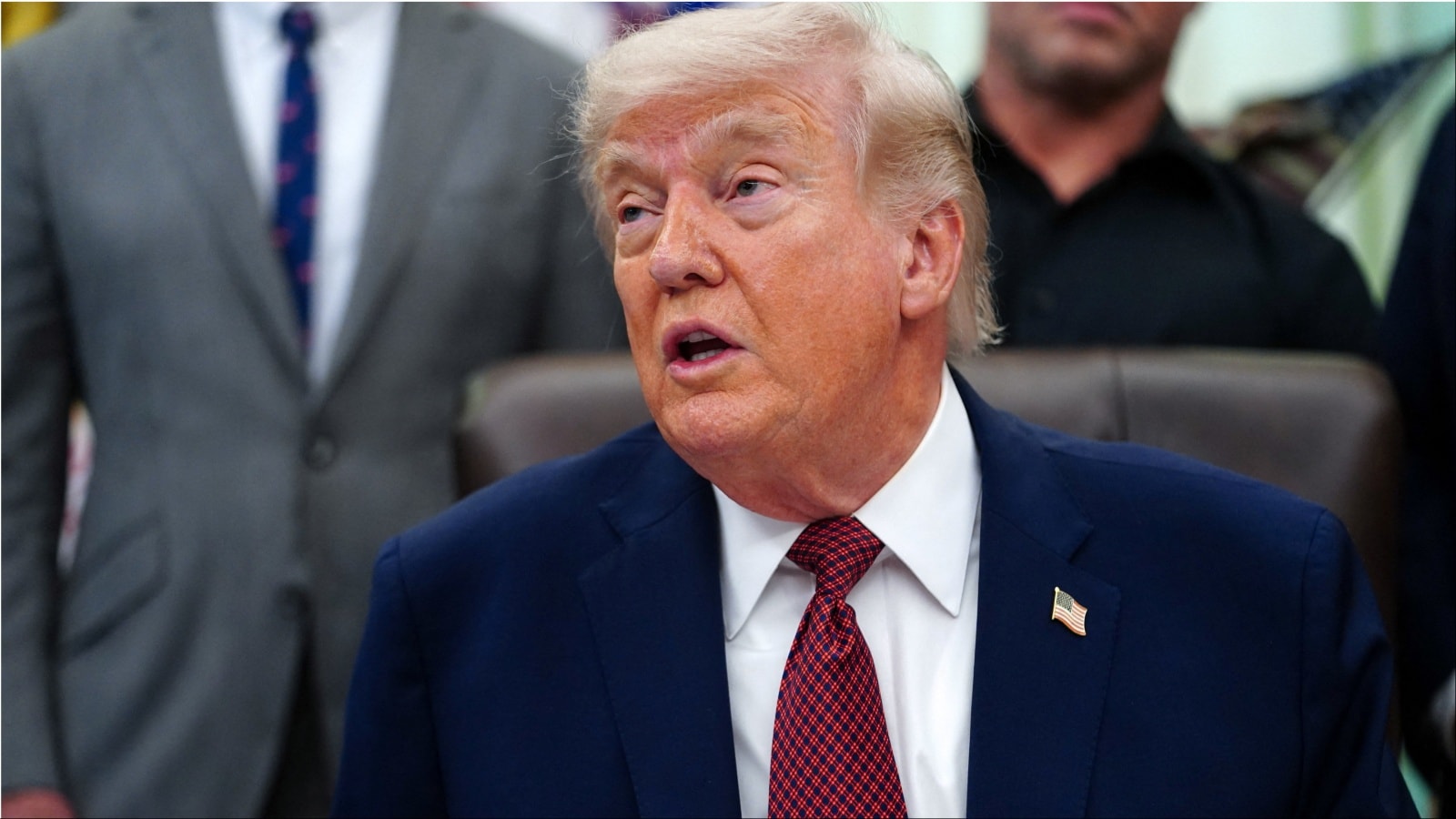
Iran's New Supreme Leader Mojtaba Khamenei and US President Donald Trump | File Image
The uncertainty around whether the United States and Iran will even show up for talks in Islamabad has triggered a far bigger question: is President Donald Trump prepared to extend his self-imposed ceasefire deadline, or is the region heading towards another escalation?
Since the war erupted on February 28, what began as a flashpoint confrontation has hardened into a cycle of military signalling and stalled diplomacy. The first round of talks failed to produce any breakthrough, and now, with just hours to go before the April 22 ceasefire deadline, the gap between Washington’s confidence and Tehran’s skepticism has only widened.
When Does Trump’s Ceasefire Deadline End?
The current ceasefire window announced by Trump expires on Wednesday, April 22. The deadline has been central to Trump’s pressure campaign, framing it as a final opportunity for Iran to return to negotiations and avoid further escalation.
Trump has projected confidence, insisting the US is in a position of strength. He has said that Washington is “winning the war," while also attacking sections of the media for what he called “anti-America" coverage of the conflict. At the same time, he has maintained that a “new Iran deal will be far better," adding that he is “not under pressure" to secure an agreement quickly.
At the same time, Trump issued a fresh warning to Iran, saying “lots of bombs will start going off" if the ceasefire expires. Speaking to PBS News during a phone call, Trump was asked what would happen if the ceasefire ended on Tuesday. He replied, “Then lots of bombs start going off."
This dual messaging, military confidence paired with diplomatic openness, has left analysts divided on whether the deadline is firm or simply leverage.
What Is Happening At Strait of Hormuz?
Tensions have sharply escalated around the Strait of Hormuz, the critical global oil chokepoint that has remained blocked since the beginning of the US-Iran war, hitting the global energy supply chain.
The latest flashpoint came after US forces seized an Iranian vessel Touska near the strait, triggering direct confrontation claims from Tehran. Iran called the move a direct violation of the ceasefire, branding it piracy and threatening retaliation. Iranian officials have asserted that their forces responded by targeting US naval assets in the region, marking one of the most dangerous direct engagements since the war began.
The Hormuz episode underscores how fragile the ceasefire is. Even as diplomatic talks are being discussed, military actions on the ground, or at sea, are pushing both sides closer to a broader conflict.
What Has Trump Said About The Islamabad Talks?
Despite mixed signals, Donald Trump has repeatedly insisted that talks are on track.
Ahead of the proposed Islamabad meeting, Trump said the US would engage, emphasising that any agreement reached would be stronger than past deals. He reiterated that Washington is negotiating from a position of power, not urgency.
Crucially, US officials have continued to signal that the talks will go ahead as scheduled. According to reports citing officials familiar with the matter, US Vice President JD Vance is expected to travel to Islamabad to lead the American side, suggesting that, at least in Washington’s view, diplomacy is still on track.
What Has Iran Said About The Talks?
Publicly, Iran has struck a far more dismissive tone.
Statements from Iranian leaders have downplayed or outright rejected claims that talks are confirmed. This reflects a broader distrust following the collapse of the first round of negotiations.
However, there are signs of internal calibration. Reports indicate that negotiators in Tehran have received a green light from Supreme Leader Mojtaba Khamenei to attend discussions, even as public rhetoric remains cautious.
In a confirmation of tomorrow’s negotiations in Islamabad, Pakistan, Axios, citing officials with knowledge on the matter, has now said that U.S. Vice President JD Vance will travel to Islamabad for U.S.-Iranian talks tomorrow morning. Additionally, Iranian negotiators received a… pic.twitter.com/88yawZd37F— OSINTdefender (@sentdefender) April 21, 2026
At the same time, Iran’s leadership has issued stark warnings. The country’s parliamentary speaker, MB Ghalibaf has said Tehran holds “new cards on the battlefield" if the war resumes, an implicit threat of escalation if diplomacy fails. “Trump, by imposing a siege and violating the ceasefire, seeks to turn this negotiating table— in his own imagination— into a table of surrender or to justify renewed warmongering. We do not accept negotiations under the shadow of threats, and in the past two weeks, we have prepared to reveal new cards on the battlefield," Ghalibaf wrote on X.
ترامپ با اعمال محاصره و نقض آتشبس میخواهد تا به خیال خود این میز مذاکره را به میز تسلیم تبدیل کند یا جنگافروزی مجدد را موجّه سازد.مذاکره زیر سایهٔ تهدید را نمیپذیریم و در دو هفتهٔ اخیر برای رو کردن کارتهای جدید در میدان نبرد آماده شدهایم.— محمدباقر قالیباف | MB Ghalibaf (@mb_ghalibaf) April 20, 2026
What Happens If The US-Iran Ceasefire Ends?
Both sides have hinted at what comes next, and it is not reassuring.
From US’s perspective, the end of the ceasefire could mean a return to intensified military operations. Trump’s repeated assertion that the US is “winning" suggests confidence in escalation if required.
From Iran’s side, the messaging is more explicit: escalation will be met with escalation. Iranian leaders have warned that new strategies and capabilities could be deployed if fighting resumes. Sources linked to the IRGC suggest that Iran is prepared for prolonged conflict, asserting that the country can sustain war efforts for months if necessary. The IRGC has reportedly ruled out negotiations unless all of Iran’s demands are met, rejecting what it calls “illegal demands" imposed by the United States and Israel.
The danger lies in the fact that neither side appears politically inclined to back down under pressure, raising the risk of rapid conflict expansion.
What Will Happen If Talks Remain Stalled?
If the Islamabad talks fail to materialise, or collapse like the first round, the consequences could be even more destabilising.
A prolonged diplomatic vacuum would increase the likelihood of miscalculation in hotspots like the Strait of Hormuz. Stalled talks could also strengthen hardline positions in both Washington and Tehran, and reduce the political space for compromise on either side.
Will Trump Extend The Ceasefire?
That remains the central unknown.
Extending the deadline would give diplomacy more time, but could also be seen as weakening Trump’s pressure strategy. Letting it lapse, on the other hand, risks pushing the conflict into a more dangerous phase that could not just intensify the war but could also hit an already destabilised global economy.
Given Trump’s current posture, projecting strength while keeping the door to talks open, the most likely scenario is a conditional extension, tied to whether negotiations in Islamabad actually take place.
But if the talks collapse before they begin, the April 22 deadline may mark not just the end of a ceasefire, but the beginning of a more volatile phase in an already fragile conflict.
Handpicked stories, in your inbox
A newsletter with the best of our journalism
First Published:
April 21, 2026, 08:06 IST
News world Will Trump Extend Iran Ceasefire? As Uncertainty Looms Over Islamabad Talks, Here's What Lies Ahead
Disclaimer: Comments reflect users’ views, not News18’s. Please keep discussions respectful and constructive. Abusive, defamatory, or illegal comments will be removed. News18 may disable any comment at its discretion. By posting, you agree to our Terms of Use and Privacy Policy.
Read More



 English (US) ·