
 4 hours ago
1
4 hours ago
1
ARTICLE AD BOX
Last Updated:January 29, 2026, 12:51 IST
Oxford warns that by 2050, nearly 4 billion people could face extreme heat if temperatures rise by 2°C. India, Pakistan, and even colder nations remain dangerously unprepared

The threat posed by climate change is increasingly slipping out of control. A new study warns that if global temperatures rise by 2 degree Celsius, the number of people exposed to extreme heat will double by 2050. This would leave nearly 4 billion people facing dangerous heatwaves worldwide. Scientists from Oxford University revealed these alarming findings, stating that the human body could suffer internal damage under such extreme conditions. The study warns that the world has very little time left to act, and without urgent measures, future generations may inherit a planet defined by fire and unbearable heat.
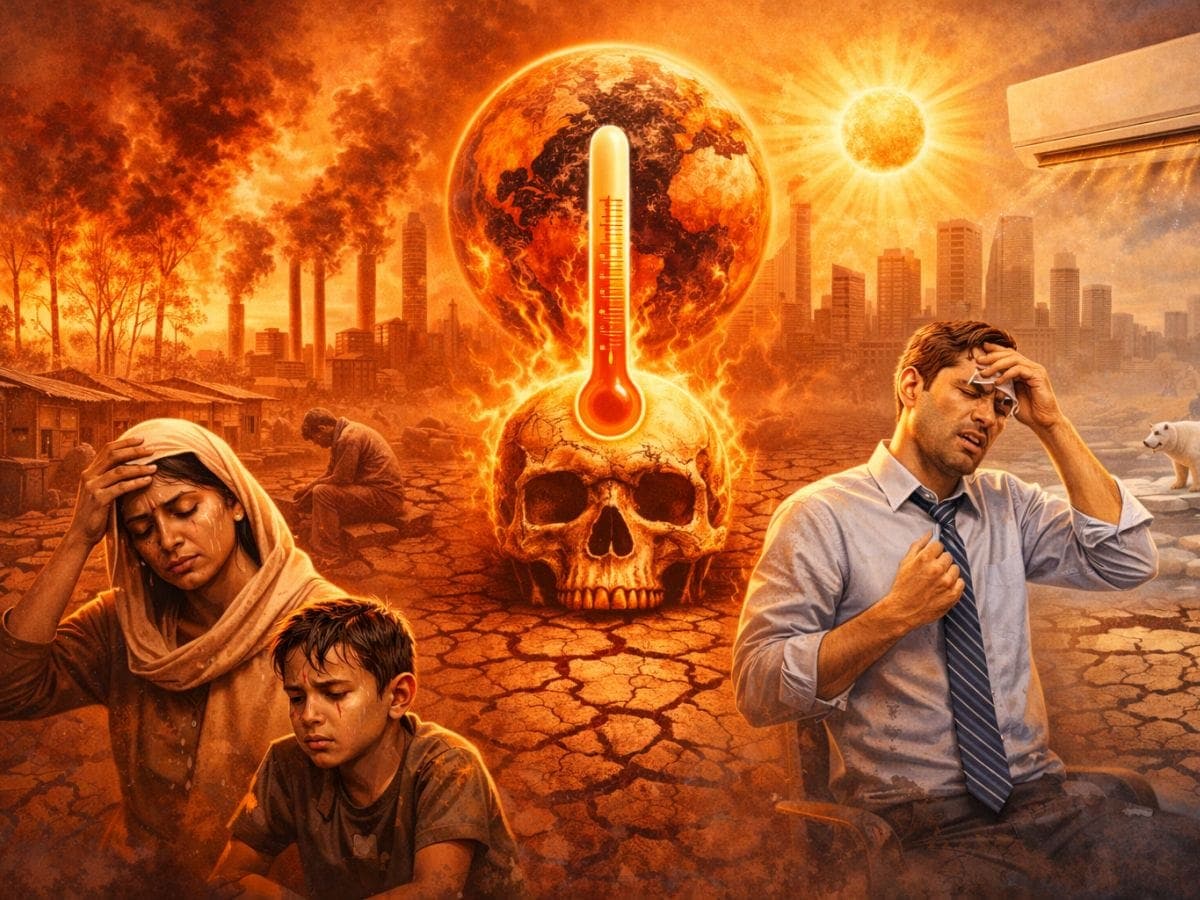
Published in Nature Sustainability, the research presents a stark reality. In 2010, around 1.5 billion people, roughly 23% of the global population, were exposed to extreme heat. By 2050, that figure could rise to 3.8 billion. If global warming exceeds 2 degree Celsius, as many as 41% of the world’s population may be forced to endure severe heat stress. Using advanced computer models, scientists found that temperatures are rising far faster than previously expected. According to researchers, the world is already approaching the 1.5-degree threshold, beyond which the most severe consequences are likely to unfold.

The study has issued a red alert for India and surrounding regions. Scientists warn that countries such as India, Nigeria, and Indonesia will face the harshest effects due to their large populations and limited access to cooling. Pakistan, Bangladesh, and the Philippines are also among the most vulnerable. In many of these countries, millions of people do not have access to air conditioning. If temperatures rise beyond 45 to 50 degree Celsius, heat-related deaths could increase sharply. Nigeria and Brazil are expected to see a dramatic surge in demand for cooling, placing further strain on energy systems. The economic impact will be severe, with poorer communities bearing the greatest burden.
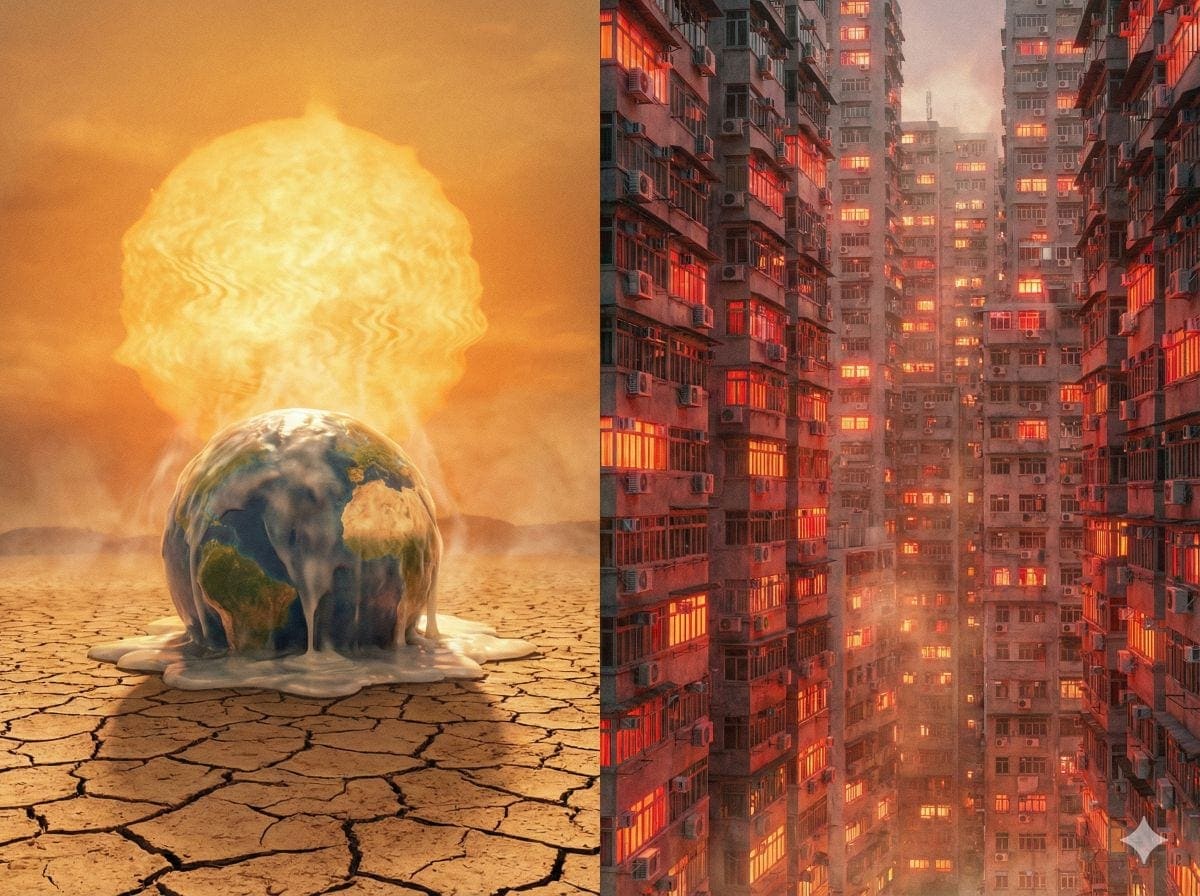
The research also challenges the widespread belief that colder countries are safe from global warming. Nations such as Canada, Russia, and Finland may be particularly vulnerable because their infrastructure is designed for cold climates. Homes and buildings in these regions are built to trap heat and absorb sunlight, making sudden temperature increases potentially deadly. Even countries like Britain are poorly prepared, with ageing housing, limited ventilation, and public transport systems not designed for extreme heat. Scientists warn that rising temperatures could overwhelm healthcare systems, proving that no country is truly safe from this crisis.
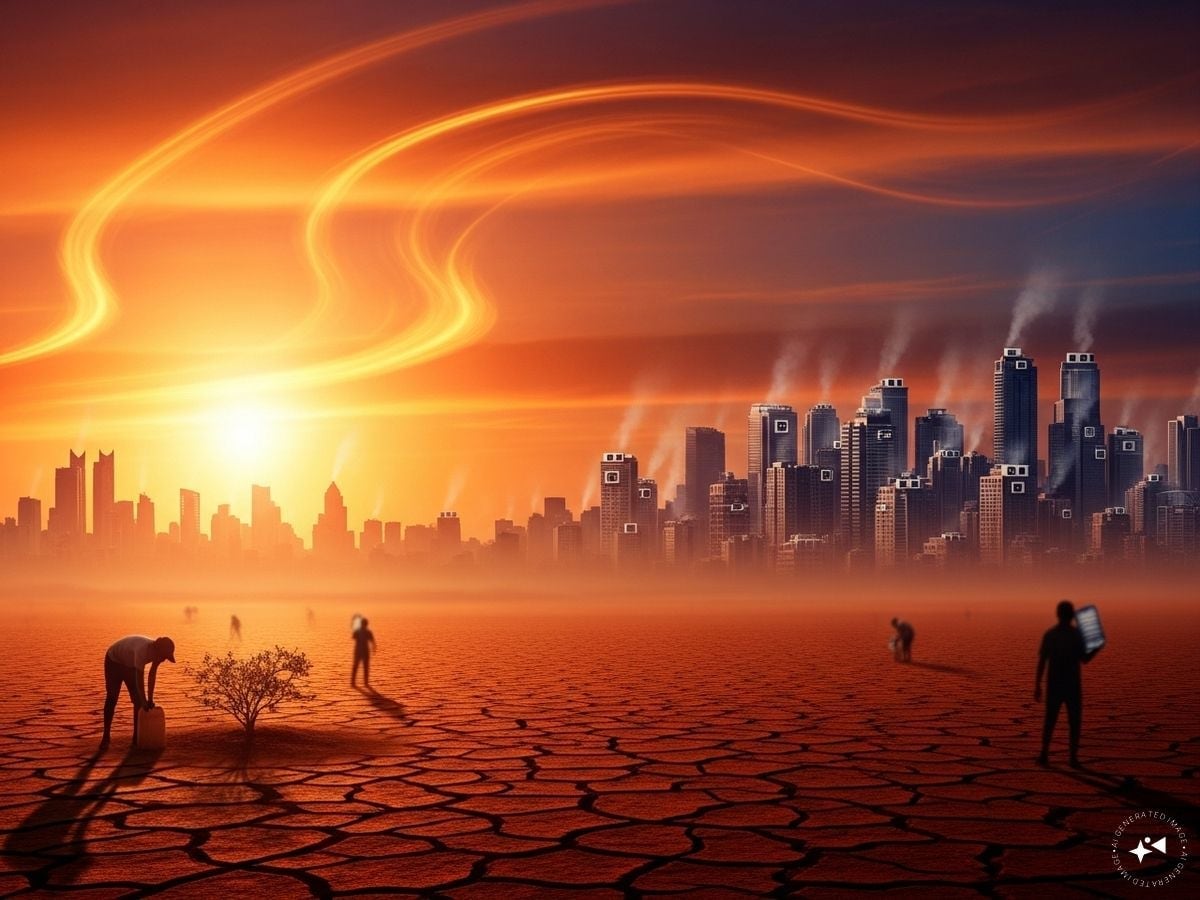
As global temperatures rise, the demand for cooling systems is expected to reach unprecedented levels. The report predicts a sharp increase in the use of air conditioners and fans, fundamentally reshaping global energy consumption patterns. While heating needs have traditionally driven electricity demand, cooling is expected to dominate energy use by the end of this century. Countries such as Nigeria and Indonesia are likely to see massive growth in electricity consumption. If this demand is met through coal or gas, it will further accelerate global warming, creating a dangerous and self-reinforcing cycle. Promoting sustainable and energy-efficient cooling technologies has therefore become essential.
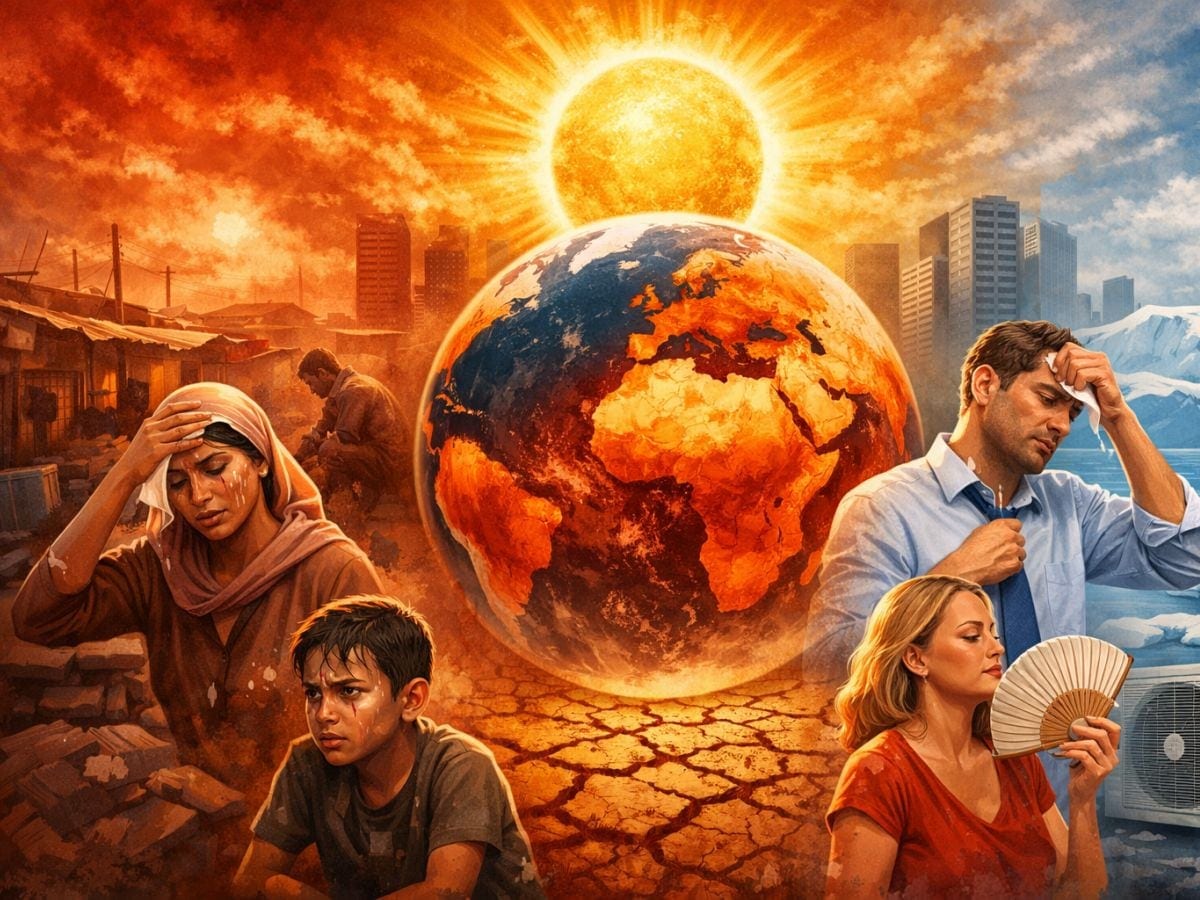
Scientists describe extreme heat as a ‘silent killer’ because of its gradual but deadly impact on the human body. When internal body temperature becomes unregulated, the risk of organ failure rises sharply. Symptoms such as dizziness, severe headaches, heart attacks, and heat strokes become increasingly common. Lead researcher Radhika Khosla warns that crossing the 1.5-degree threshold will have devastating effects on education, healthcare, and human migration. Agriculture will also be threatened, placing global food security at serious risk.

According to scientists, the focus must now shift towards urgent adaptation strategies. This includes redesigning homes, workplaces, cities, and public spaces to withstand extreme heat. Ultimately, achieving net-zero emissions is described as the only remaining path to prevent this looming catastrophe from becoming irreversible.
News Photogallery india Extreme Heat Will Engulf 40% Of Humanity, India To Be Among Worst-Hit: Oxford Study







 English (US) ·