
 1 week ago
1
1 week ago
1
ARTICLE AD BOX
Last Updated:June 01, 2026, 11:35 IST
Beaufort has long been a strategic military position and a powerful symbol of Israel's 18-year occupation of southern Lebanon, which ended with its withdrawal in 2000.


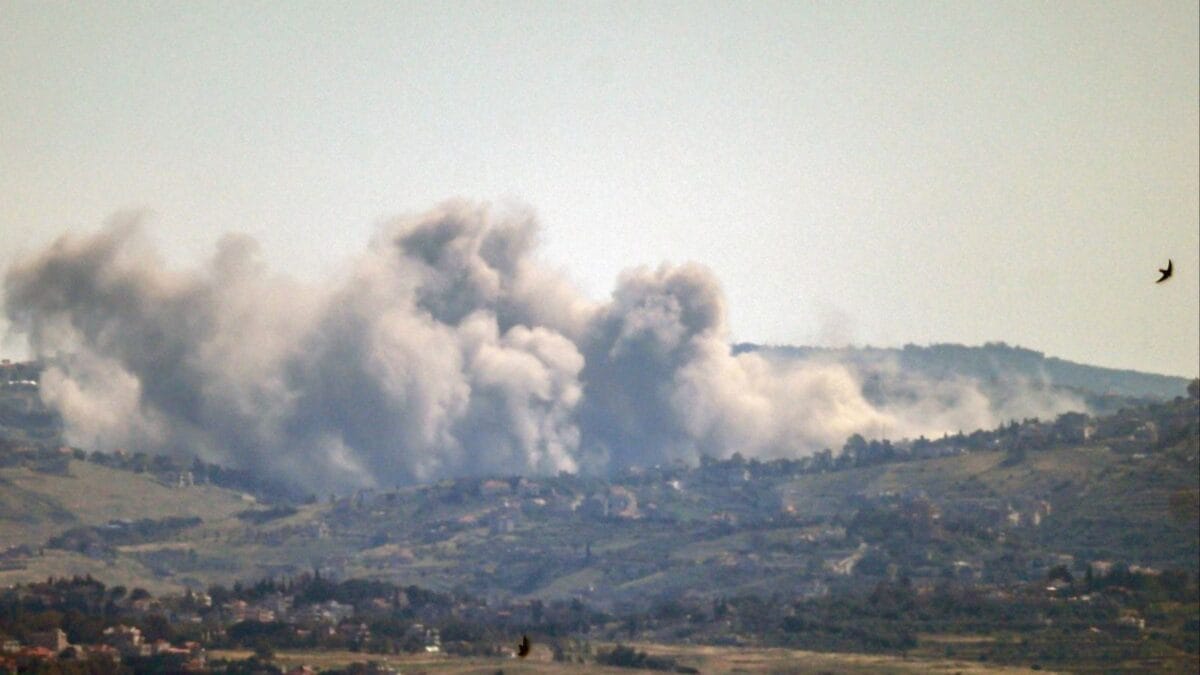
A view of he Beaufort Castle in southern Lebanon as seen from northern Israel, Sunday, May 31, 2026. (Image: AP)
Israeli forces have captured the historic Beaufort Castle in southern Lebanon, marking their deepest known ground advance into the country in more than 25 years and bringing back memories of one of the most contentious chapters in the Israel-Lebanon conflict. The capture of the 12th-century Crusader fortress is not merely a battlefield development. Rising above the Litani Valley in southern Lebanon, Beaufort has long been a strategic military position and a powerful symbol of Israel’s 18-year occupation of southern Lebanon, which ended with its withdrawal in 2000.
When Israeli troops raised their flag over Beaufort on May 31, it was more than the seizure of a hilltop stronghold. It represented a return to a site that has shaped the military, political and psychological history of both Israel and Lebanon for decades.
Perched atop a steep hill overlooking the Litani Valley, Beaufort Castle is a 12th-century Crusader fortress. For nearly 900 years, armies, empires and militias have fought over the rocky outcrop because of one simple fact: whoever controls Beaufort can see, and often influence, a vast stretch of southern Lebanon.
That strategic advantage made the castle relevant to medieval Crusaders. It also made it relevant to the Palestine Liberation Organisation (PLO) in the 1970s, to Israel during its occupation of southern Lebanon, and later to Hezbollah. Today, it has once again become a focal point in a conflict that many feared had entered a fragile ceasefire phase.
What Is The Beaufort Castle?
Known in Arabic as Qalaat al-Shaqif, Beaufort was constructed during the Crusader era and sits around 700 metres above sea level. From its walls, one can look across large parts of southern Lebanon and even towards northern Israel.
The fortress changed hands repeatedly through history – from Crusaders to Muslim dynasties, then Ottoman rulers and later modern states. Yet its military importance never disappeared because geography remained constant even as weapons evolved. Military planners have long valued the site as an observation point capable of overseeing movement through the Litani River region and surrounding valleys.
How The Castle Became A Symbol Of The Lebanon War
For Israel, Beaufort’s modern significance dates back to the 1982 Lebanon War. At that time, the castle was being used by the PLO, which had established strongholds across southern Lebanon. During Israel’s invasion of Lebanon in June 1982, one of the most intense early battles took place around Beaufort. Israeli forces eventually captured the fortress after heavy fighting, turning it into one of their most important positions in southern Lebanon.
The battle quickly acquired an almost mythic status in Israel. It was portrayed as a daring military success, but it also raised difficult questions about the cost of the war and the objectives of Israel’s intervention in Lebanon. Over time, Beaufort became intertwined with a wider national debate about whether the occupation of southern Lebanon was worth the human and political price.
After 1982, Israel transformed the area around the castle into a heavily fortified military position.
For the next 18 years, Beaufort stood at the centre of Israel’s security zone in southern Lebanon. Soldiers stationed there endured regular attacks from Hezbollah, which emerged as the most effective armed resistance force against the occupation. Roads leading to the fortress became notorious for ambushes and roadside bombs. The outpost itself was repeatedly targeted by mortar fire and other attacks.
As casualties mounted, public support for maintaining the occupation began to erode inside Israel. The debate intensified throughout the 1990s, eventually culminating in Israel’s unilateral withdrawal from southern Lebanon in May 2000.
When Israeli forces left, they demolished much of their military infrastructure around Beaufort to prevent it from becoming a propaganda symbol for Hezbollah. Images of the withdrawal became one of the defining moments of the conflict.
Why Beaufort Matters To Hezbollah
For Hezbollah and many Lebanese, Israel’s 2000 withdrawal represented a historic victory. The departure of Israeli troops from southern Lebanon helped cement Hezbollah’s reputation as a force capable of compelling Israel to retreat. Beaufort, which had symbolised Israeli military dominance for nearly two decades, became part of that narrative.
That is why the sight of Israeli soldiers once again standing on the fortress carries significance beyond military tactics. The castle represents competing historical memories. For Israel, it evokes sacrifice, military endurance and unfinished security concerns. For Hezbollah and many Lebanese, it recalls the end of a long occupation.
Why Israel Returned
Israeli officials say the latest operation is aimed at dismantling Hezbollah infrastructure and preventing attacks from positions overlooking northern Israel. The military argues that the ridge around Beaufort and nearby valleys have been used for launching attacks and maintaining strategic observation points.
The capture also marks Israel’s deepest ground advance into Lebanon in more than a quarter century. Israeli forces have moved beyond the Litani River and expanded operations further north, a development that has triggered international concern and renewed debate about whether the current campaign could evolve into a more prolonged military presence.
Handpicked stories, in your inbox
A newsletter with the best of our journalism
News explainers Redemption At Beaufort? Israel Erases Ghosts Of 2000 With Return To Lebanon Fortress
Disclaimer: Comments reflect users’ views, not News18’s. Please keep discussions respectful and constructive. Abusive, defamatory, or illegal comments will be removed. News18 may disable any comment at its discretion. By posting, you agree to our Terms of Use and Privacy Policy.
Read More





 English (US) ·