
 18 hours ago
2
18 hours ago
2
ARTICLE AD BOX
Last Updated:May 08, 2026, 02:46 IST
Beyond security screening, reports indicate that Iran has begun levying exorbitant 'toll fees', with some shipowners reportedly being asked for up to $2 million for safe passage


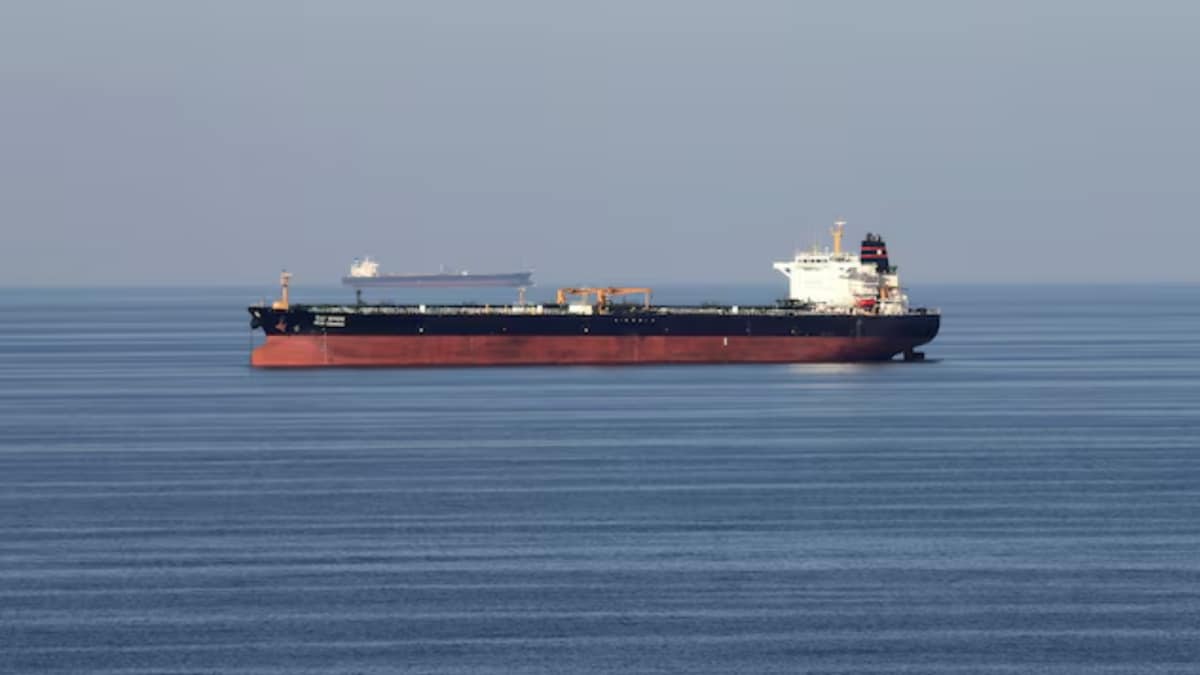
Prior to this, the strait was governed by international transit passage rules. Now, Iran is treating the waterway as a strictly regulated corridor. File pic/AP
The Islamic Revolutionary Guard Corps (IRGC) has formalised its control over the Strait of Hormuz by establishing the Persian Gulf Strait Authority (PGSA). Under this new regime, as per a CNN report, Tehran is demanding that all commercial vessels submit to a rigorous reporting protocol—including a 40-question declaration of cargo, ownership, and crew nationalities—before being granted passage. Shippers who bypass these new “legal frameworks" face the immediate risk of missile strikes, drone attacks, or seizure by Iranian naval forces.
The Formalisation of Control
The PGSA represents a significant move by the Supreme Leader, Mojtaba Khamenei, to establish a “new regional order" following the conflict that erupted in February 2026. Prior to this, the strait was governed by international transit passage rules. Now, Iran is treating the waterway as a strictly regulated corridor. Shippers are required to email the PGSA with detailed identification numbers and “previous names" of vessels, with Iranian officials warning that “complete and accurate information" is the only way to avoid “decisive action".
Economic Extortion and the ‘Toll’ System
Beyond security screening, reports indicate that Iran has begun levying exorbitant “toll fees", with some shipowners reportedly being asked for up to $2 million for safe passage. The US Treasury has explicitly forbidden US persons and financial institutions from making these payments, as they directly fund the IRGC. This has created a catch-22 for global trade: pay a prohibited ransom or risk the destruction of the vessel.
Global Supply Chain Paralysis
The impact on global energy security is profound. Before the 2026 crisis, the strait averaged 120 crossings per day; by early May, that figure had plummeted to roughly 40. This bottleneck has triggered massive oil supply shocks, pushing US petrol prices above $4.50 per gallon. While countries like India and Pakistan have entered bilateral negotiations with Tehran to secure passage for their flagged vessels, the majority of the global fleet remains anchored or diverted, unable to comply with Iran’s demands without violating international sanctions.
Handpicked stories, in your inbox
A newsletter with the best of our journalism
News world The Hormuz Toll: Inside Iran’s New 'Pay-To-Pass' Protocol For Global Shippers
Disclaimer: Comments reflect users’ views, not News18’s. Please keep discussions respectful and constructive. Abusive, defamatory, or illegal comments will be removed. News18 may disable any comment at its discretion. By posting, you agree to our Terms of Use and Privacy Policy.
Read More






 English (US) ·