
 11 hours ago
3
11 hours ago
3
ARTICLE AD BOX
Last Updated:May 06, 2026, 08:14 IST
Trump said the US-led Strait of Hormuz mission was being paused to give diplomacy with Iran a chance, even as the blockade on Iranian ports remains in place.


US President Donald Trump (Image: Reuters/File)
Less than 24 hours after launching ‘Project Freedom’, a US-led military-backed operation to escort stranded commercial vessels through the Strait of Hormuz, US President Donald Trump has abruptly paused the mission, saying the move is aimed at creating space for negotiations with Iran.
Trump’s decision has now raised a larger question: does the pause signal the beginning of a diplomatic breakthrough with Iran, or is it merely a tactical pause before another escalation in the Gulf?
What Was ‘Project Freedom’?
Project Freedom was unveiled by Trump on Sunday after Iran effectively shut down most commercial movement through the Strait of Hormuz during its conflict with the US and Israel.
The strait, one of the world’s most strategically critical waterways, connects the Persian Gulf to global shipping lanes. Before the conflict, roughly 138 ships passed through it daily, according to the Joint Maritime Information Centre.
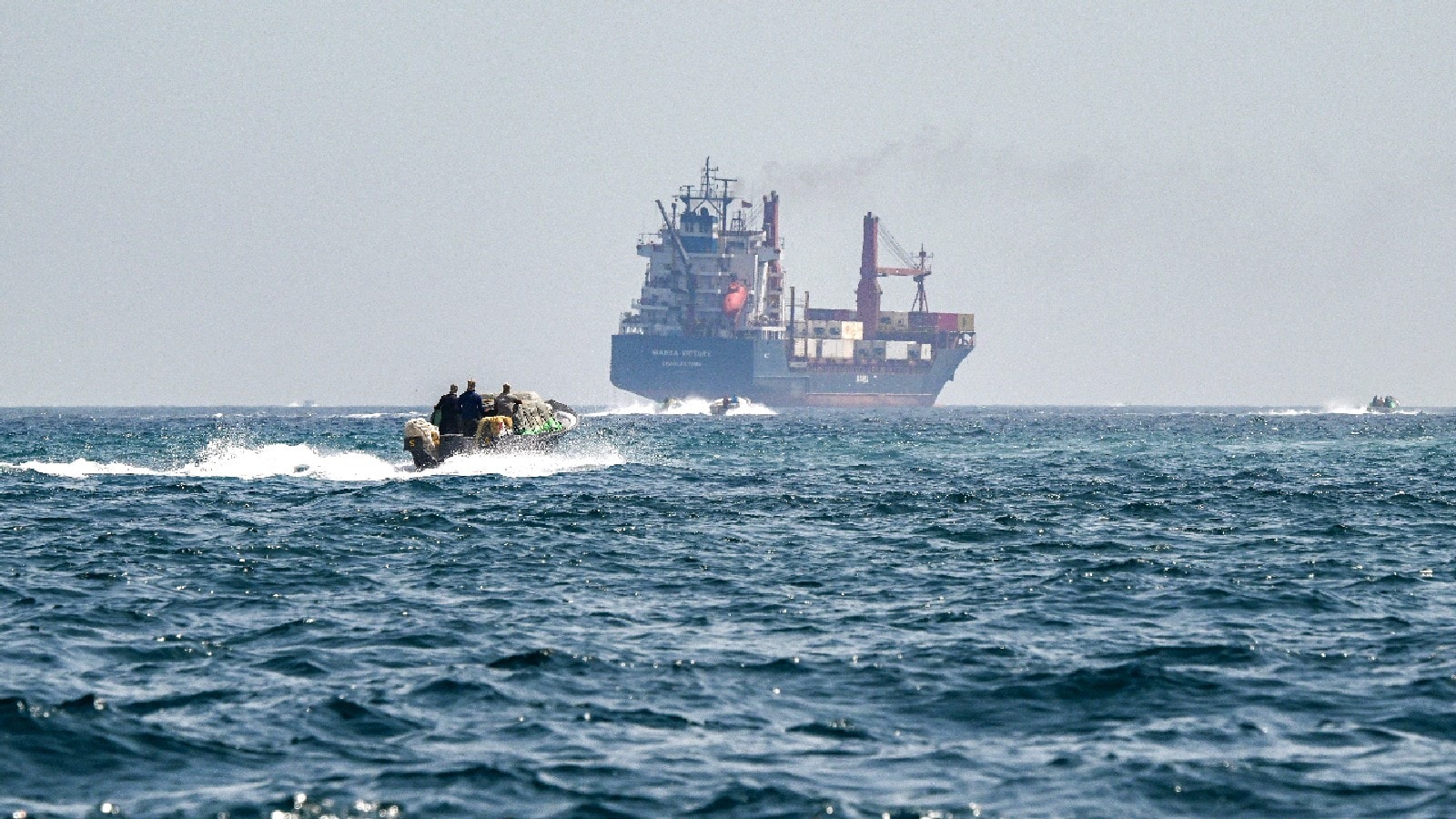
For weeks, however, commercial shipping had nearly collapsed. Thousands of ships remained stuck in the Arabian Gulf as Iran tightened control over the route, disrupting oil exports, fertiliser shipments and energy supplies. The US, in response, imposed its own naval blockade on Iranian shipping.
Trump then announced that the US military would escort stranded vessels through the waterway. He described the effort as a “humanitarian gesture" meant to help civilian ships from countries not directly involved in the conflict.
US officials later clarified that the operation was defensive in nature.
On Tuesday, America’s top military officer, General Dan Caine, said the US had established an “enhanced security area" on the southern side of the strait. Guided missile destroyers, surveillance aircraft and warships were deployed as part of the effort.
According to Caine, the operation involved more than 100 aircraft and 15,000 US personnel.
The stated objective was not simply escorting ships, but eventually reopening the strait fully.
How Did Iran Respond?
Shortly after the operation began, Iran launched drone attacks targeting locations in the United Arab Emirates, including a major oil storage facility. Oman also reported attacks near the UAE border, while a South Korean vessel was reportedly hit.
Iranian Foreign Minister Abbas Araghchi openly criticised the operation. “Project Freedom is Project Deadlock," he wrote on X. “Events in Hormuz make clear that there’s no military solution to a political crisis."
Araghchi also suggested diplomatic discussions were continuing indirectly through Pakistan’s mediation efforts.
Meanwhile, Iran’s military continued issuing warnings to commercial vessels against entering the strait without coordination with Tehran.
Iranian state media later reported that a new mechanism had been established to manage vessel transit through Hormuz. Press TV also warned the US Navy to stay away from the area and published a map showing expanded Iranian control.
Iran’s parliament speaker Mohammad Bagher Qalibaf signalled Tehran believed it still retained escalation leverage.
“We know full well that the continuation of the status quo is intolerable for America; while we have not even begun yet," he wrote on X.
Why Did Trump Suddenly Pause It?
The decision came through a Truth Social post in which Trump said Project Freedom would be paused “for a short period of time" to allow ongoing diplomacy with Iran to continue.
Trump said the move was being made based “on the request of Pakistan and other Countries" and because “Great Progress has been made toward a Complete and Final Agreement with Representatives of Iran".
He also pointed to what he described as the “tremendous Military Success" of recent US operations against Iran.
The announcement came even as top US officials publicly insisted the ceasefire remained intact.
US Secretary of State Marco Rubio said, “The operation is over. Epic Fury – as the president notified Congress – we’re done with that stage of it."
US Defense Secretary Pete Hegseth similarly said, “The ceasefire is not over."
The messaging from Washington appeared aimed at drawing a distinction between the broader conflict and limited confrontations occurring around the strait.
American officials repeatedly described clashes in Hormuz as “defensive". “There’s no shooting unless we’re shot at first, OK? We’re not attacking them," Rubio said at the White House.
But the pause also reflects a growing recognition within Washington that the operation carried serious escalation risks.
Project Freedom had effectively placed US naval forces in direct proximity to Iranian military assets inside one of the world’s most sensitive waterways. Any miscalculation risked rapidly expanding the conflict.
Was Project Freedom Actually Working?
At least publicly, the results remained limited.
The US said only two American-flagged merchant ships successfully transited through the strait under Project Freedom before the operation was paused.
Meanwhile, General Caine acknowledged that more than 1,550 commercial ships remained trapped in the Arabian Gulf, with over 22,500 mariners stranded onboard.
Before the pause announcement, US officials had said they planned to escort additional vessels in the coming days. But uncertainty remained high. Many shipping companies appeared unconvinced that the route was safe.
Hapag-Lloyd AG, one of the world’s largest container shipping firms, said its assessment “remains unchanged" and that transit through the strait was “for the moment not possible".
Helima Croft, global head of commodity strategy at RBC Capital, told CNBC that the operation so far appeared more like a “branding exercise" than a full reopening of maritime traffic.
The International Chamber of Shipping also expressed caution. “There is much uncertainty around what Project Freedom means in practice," a spokesperson told The New York Times.
So, Is The Ceasefire Still Holding?
Technically, yes. But it is increasingly fragile.
Iranian attacks on the UAE and Oman marked the most serious violence since the ceasefire was declared. The US also acknowledged that its own forces had come under attack from drones, cruise missiles and small boats.
General Caine said those attacks were “defeated" and remained “below the threshold of restarting major combat operations".
“Thus far, today is quieter," he said Tuesday.
Hegseth similarly argued that some initial “churn" had been expected after the ceasefire.
“We’re not looking for a fight," he said.
The US position appears to be that limited clashes can still occur without formally collapsing the ceasefire framework.
That distinction, however, may prove difficult to sustain if attacks intensify again around Hormuz.
Could The Pause Lead To A Diplomatic Breakthrough?
The Trump administration appears to believe military pressure has created enough leverage to push Iran toward negotiations over both the Strait of Hormuz and its nuclear programme.
Rubio said peace would require Iran to reopen the waterway and accept Trump’s demands regarding its nuclear activities.
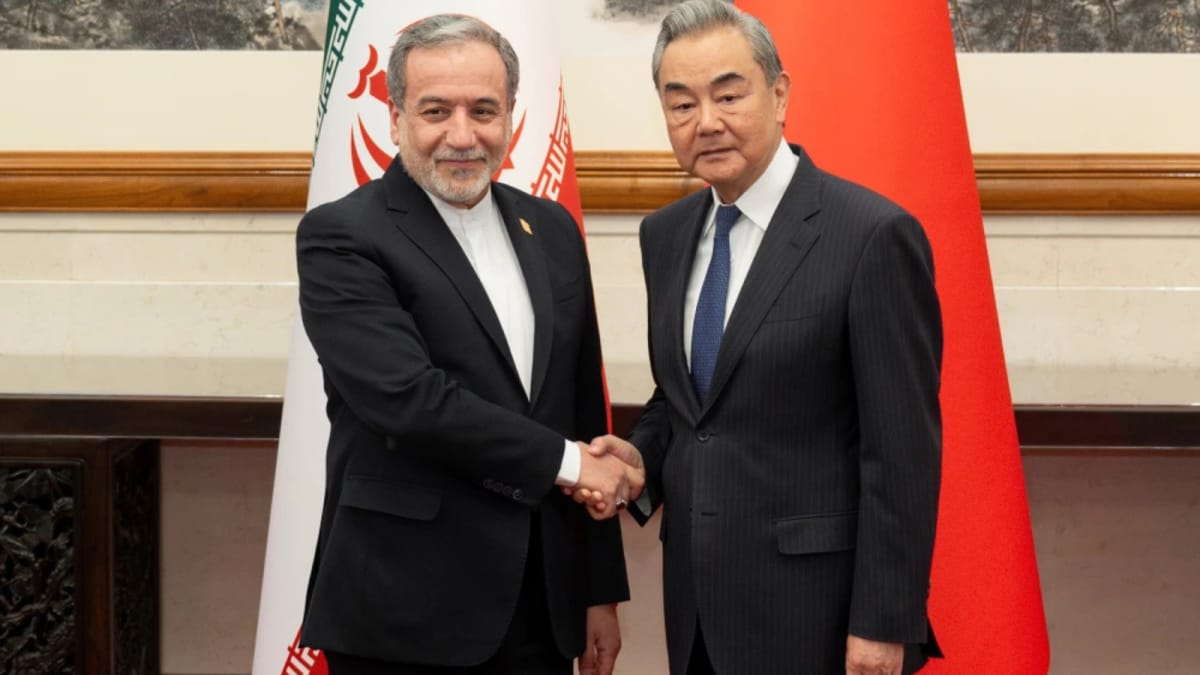
He also urged China to pressure Tehran during Iranian Foreign Minister Abbas Araghchi’s expected visit to Beijing. “It is in China’s interest that Iran stop closing the strait," Rubio said.
According to Maisoon Kafafy, senior adviser for Middle East programmes at the Atlantic Council think tank, the best-case scenario would involve military pressure creating enough incentive for a broader diplomatic settlement.
“The most constructive path would be one where the current military pressure creates enough leverage to produce a serious diplomatic agreement; one that addresses not just the immediate passage question but the underlying security architecture," she told ABC News.
But she also warned of a more dangerous possibility. “The more concerning trajectory is a prolonged stand-off in which each side’s escalatory moves narrow the space for the other to de-escalate without appearing to capitulate."
That risk remains significant because neither side currently appears willing to publicly back down.
Handpicked stories, in your inbox
A newsletter with the best of our journalism
News world Trump Pauses Hormuz Mission 'Project Freedom': Is A Breakthrough With Iran Finally Near?
Disclaimer: Comments reflect users’ views, not News18’s. Please keep discussions respectful and constructive. Abusive, defamatory, or illegal comments will be removed. News18 may disable any comment at its discretion. By posting, you agree to our Terms of Use and Privacy Policy.
Read More





 English (US) ·