
 5 hours ago
4
5 hours ago
4
ARTICLE AD BOX
Last Updated:May 13, 2026, 12:06 IST
Once used mainly during crises such as Covid-19, currency swap lines are now emerging as part of Washington’s broader effort to reinforce the dollar’s global dominance.


A person uses a counting machine to counts US dollar bills at a currency exchange house. (REUTERS)
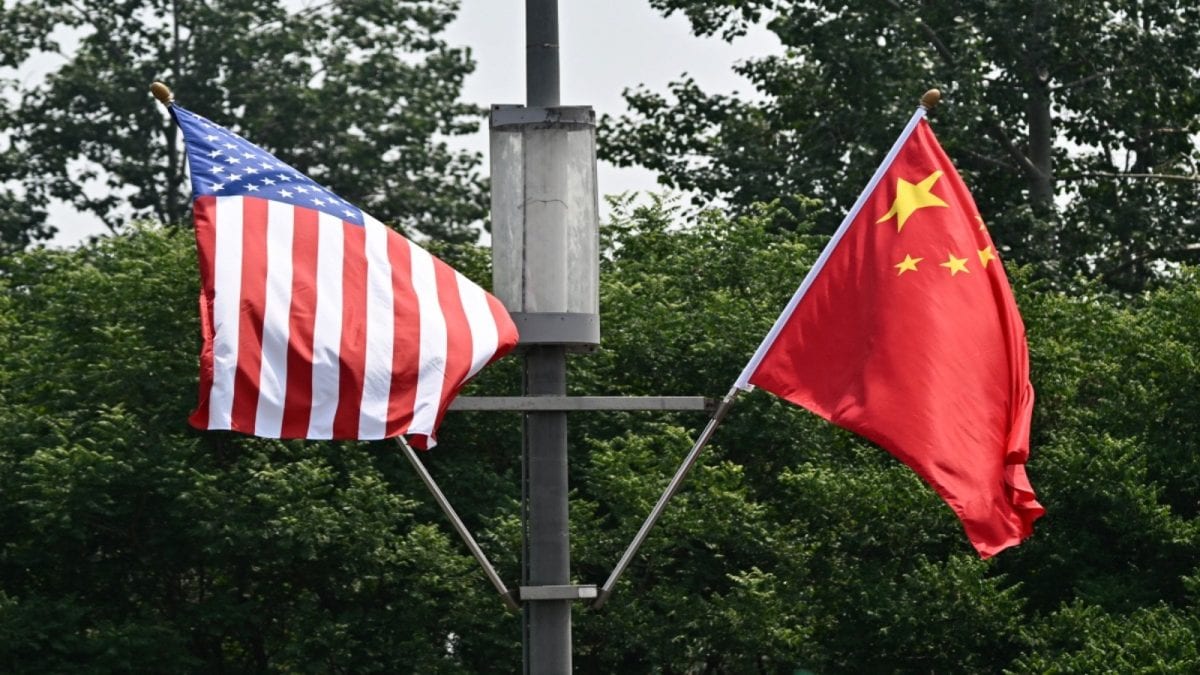
The summit between US President Donald Trump and his Chinese counterpart Xi Jinping this week may revolve publicly around tariffs, Taiwan, trade and Iran. But beneath those headline disputes lies another intensifying contest — the battle over global currency dominance.
For decades, the US dollar has remained the backbone of the international financial system. Most global trade, especially oil transactions, is conducted in dollars. Central banks around the world hold vast reserves of the currency, while countries and companies depend on dollar funding for trade and debt payments.
But concerns over America’s mounting debt, its weaponisation of sanctions and the growing push by countries such as China to reduce dependence on the dollar have started raising questions about whether the greenback’s dominance can remain unchallenged forever.
That broader anxiety has triggered increased interest in gold, alternative payment systems and even oil trade settlements in China’s currency, the renminbi (yuan).
Now, according to a report by The New York Times, the Trump administration is increasingly turning to currency swap lines as part of a larger effort to reinforce America’s financial influence and keep allies tied to the dollar system.
What Are Currency Swap Lines?
A currency swap line is an arrangement between two central banks that allows them to exchange their currencies temporarily.
In simple terms, one country’s central bank receives access to US dollars while providing its own currency in return. The currencies are later swapped back at a predetermined date and exchange rate.
Under such an arrangement, the US Federal Reserve effectively lends dollars to another country’s central bank, helping ensure that banks and businesses in that country continue to have access to dollar liquidity during times of stress.
These arrangements are considered a crucial part of the underlying infrastructure of the global financial system because they help stabilise markets when access to dollars becomes difficult.
Why Are Dollars So Important In Global Trade?
The importance of swap lines comes from the unique position of the US dollar in the global economy.
A majority of global trade — particularly oil trade — is still conducted in dollars. Central banks also hold a large portion of their foreign exchange reserves in dollar-denominated assets such as US Treasury securities.
Because of this system, countries often require huge quantities of dollars to settle trade, repay debts or stabilise their financial systems during crises.
That has effectively made the US Federal Reserve the world’s indirect “lender of last resort". When countries face a shortage of dollars, swap lines can become a financial lifeline.
Historically, these arrangements were mainly used during periods of severe economic disruption. They played a major role during the 2008 global financial crisis and again during the Covid-19 pandemic, when the Federal Reserve expanded swap access to several countries to ease stress in global funding markets.
According to the Federal Reserve Bank of Dallas, peak swap line usage crossed $580 billion during the 2008 financial crisis. During the peak of the Covid crisis, roughly $450 billion in dollar liquidity swaps were used with foreign central banks.
Why Is The US Discussing New Swap Lines Now?
The latest attention around swap lines comes amid reports that the Trump administration has been discussing potential arrangements with allies in the Gulf and Asia, including the UAE.
The discussions gained attention because the UAE is not a financially distressed economy. The country has more than $2 trillion in sovereign investment assets and over $300 billion in foreign currency reserves.
That immediately raised a question: if the UAE does not need a bailout, why would it want a swap line?
UAE officials themselves rejected the idea that the arrangement would amount to financial assistance. UAE ambassador to the US Yousef Al Otaiba said any suggestion that the UAE required external financial backing “misreads the facts".
UAE Minister of Foreign Trade Dr Thani Al Zeyoudi also said the proposal was “not about bailing out". “It is an elite matter," he said.
Economists say the arrangement is less about emergency rescue and more about financial positioning and geopolitical signalling.
Derek Tang, an economist at MPA Macro in Washington, told The National that swap lines would strengthen investor confidence in the UAE’s financial system and reinforce Abu Dhabi and Dubai’s position as global financial hubs. “These swap lines are missing pieces of the puzzle," he said.
He added that the move would also fit into the growing regional competition between Gulf states seeking to establish themselves as major corporate and financial centres.
How Is China Linked To The Story?
The renewed US focus on swap lines is closely tied to China’s growing efforts to internationalise its currency, the yuan.
Over the past decade, Beijing has steadily expanded its own network of bilateral currency swap agreements through the People’s Bank of China. According to the Council on Foreign Relations, China has signed swap agreements with more than 40 countries since 2009. These arrangements allow countries to settle some trade directly in yuan instead of dollars.
China has particularly used these tools in developing countries, combining lending, infrastructure investment and currency arrangements to deepen economic influence.
At the same time, some oil-exporting countries have also increasingly explored conducting transactions in yuan rather than dollars.
That trend has alarmed policymakers in Washington because oil trade has historically been one of the strongest pillars supporting dollar dominance.
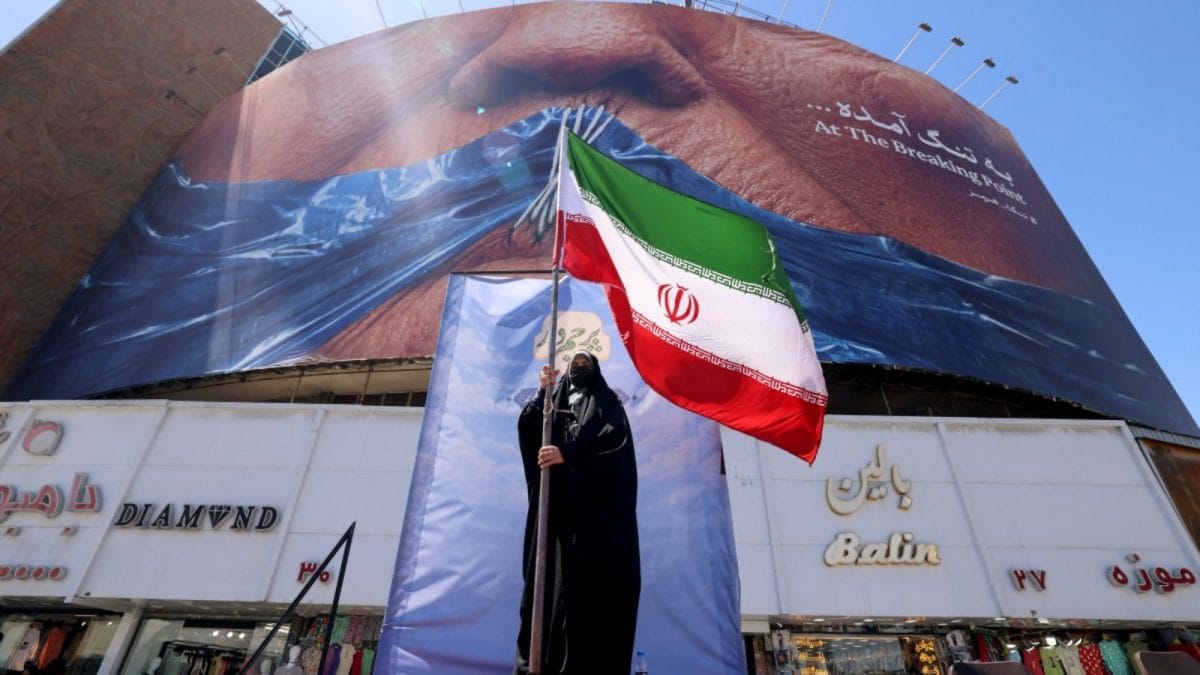
NYT reported that the Trump administration has specifically been concerned about countries such as Iran and the UAE conducting oil transactions in yuan.
How Are Swap Lines Becoming A Geopolitical Tool?
Traditionally, swap lines were seen mainly as financial stability mechanisms. But analysts say they are increasingly becoming geopolitical instruments as well.
Eswar Prasad, a Cornell University professor and former IMF China division head, told NYT that swap arrangements now carry “symbolic and strategic significance".
Prasad added that the Trump administration’s interest in extending swap lines to Gulf allies was aimed not only at protecting those economies from instability caused by the Iran conflict, but also at limiting China’s role in the region.
Treasury Secretary Scott Bessent has been leading many of these discussions. In a social media post, Bessent described swap lines as part of America’s “economic shield".
“Dollar dominance and reserve currency status are strengthened by constant long-term initiatives, including countering the growth of problematic, alternative payment systems," he wrote.
Analysts say the strategy now extends beyond finance alone.
“It’s about the whole ecosystem, where you’re also tying the swap lines with military co-operation and economic ties and tech transfers and so on," Derek Tang told The National.
“You’re basically cleaving these allies closer to you," he added.
The timing is also significant because the UAE has simultaneously been deepening defence and technology ties with Washington.
Is Dollar Dominance Really Under Threat?
Despite the growing debate around de-dollarisation, many economists believe the dollar’s dominance remains secure for now.
The greenback still accounts for the majority of global central bank reserves. Even countries that criticise the US financial system often still depend heavily on dollar access.
According to the NYT, even Iran has been negotiating for relief from US sanctions so it can conduct more transactions using dollars.
Some analysts also argue that alternatives to the dollar remain structurally weaker.
Brad Setser, a fellow at the Council on Foreign Relations, told NYT that fears about the collapse of dollar dominance were being overstated. “I think the Trump administration has inflated a nonexistent threat," he said.
Setser argued that countries accepting yuan payments for oil often have to offer discounts, making such arrangements less attractive than dollar-based trade.
Still, the renewed focus on swap lines shows that Washington is no longer treating dollar dominance as something permanent or automatic.
Handpicked stories, in your inbox
A newsletter with the best of our journalism
News explainers What Are Currency Swap Lines? Inside America’s Push To Keep The Dollar Dominant
Disclaimer: Comments reflect users’ views, not News18’s. Please keep discussions respectful and constructive. Abusive, defamatory, or illegal comments will be removed. News18 may disable any comment at its discretion. By posting, you agree to our Terms of Use and Privacy Policy.
Read More





 English (US) ·